
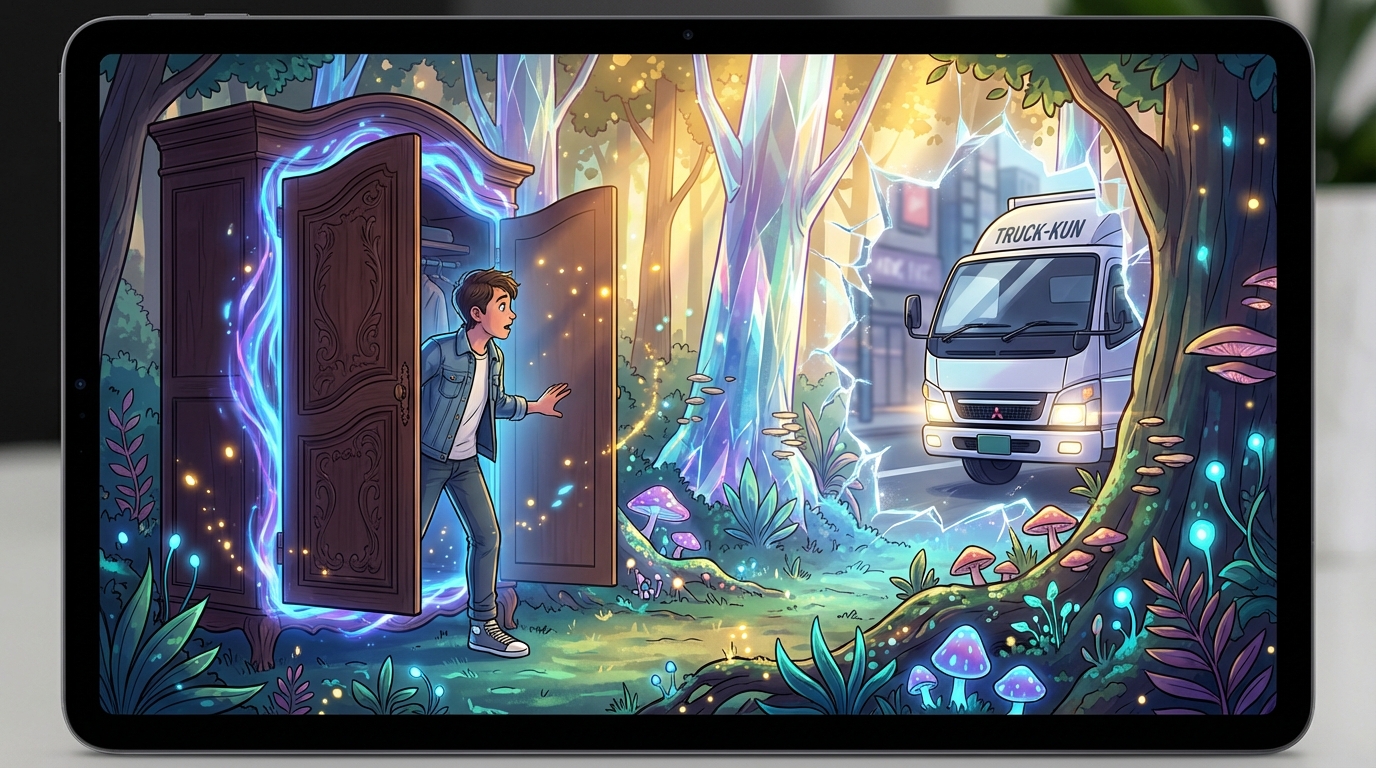
Have you ever looked at the back of a dusty wardrobe or stared into a deep well and wondered if a secret world was waiting on the other side? This sense of wonder is the heart of the genre, and understanding common portal fiction tropes can help you find your next great adventure. Whether it is a magical mirror or a sudden whirlwind, these storytelling tools are the keys that unlock incredible realms and turn ordinary people into legendary heroes.
Stepping through a portal is more than just a change of scenery; it is a chance to reinvent yourself in a land where the rules of reality no longer apply. You might find yourself following a white rabbit like in Alice in Wonderland or discovering a hidden kingdom through a piece of furniture like the characters in The Chronicles of Narnia. Exploring these classic themes makes it easier to spot your favorite patterns in new books and grab the best deals on stories that transport you far away from the mundane.
When you think of portal fiction, you likely picture a character stumbling upon a hidden doorway in the most unexpected of places. This trope relies on the idea that our mundane world is just a thin veil away from something extraordinary, often using everyday furniture as the anchor. Think of how Lucy Pevensie discovered the snowy woods of Narnia through a simple wooden wardrobe, or how the characters in Alice in Wonderland tumbled down a rabbit hole. These objects turn the familiar into the fantastic, teaching us that magic can be found right in our own homes if we look closely enough. It creates a sense of wonder because it suggests that your own attic or closet might hold a secret waiting to be unlocked.
The geography of these stories often involves hidden spaces that exist right under the noses of ordinary people. You might see this in Harry Potter, where a solid brick wall at a train station becomes the gateway to Platform 9 3/4 for those who know the secret. These transition points act as a bridge between the routine of daily life and a world where the impossible becomes reality. By using specific locations like a well in Inuyasha or a mysterious mirror, authors give you a clear map of how the transition works. Understanding these portal fiction tropes helps you appreciate the structure of your favorite stories while keeping the adventure feeling grounded and accessible.
Finding these magical crossroads is part of the joy for any reader who loves exploring new realms and high stakes adventures. Whether it is a technological glitch in a modern story or an ancient stone circle in a classic tale, the portal is the promise of a fresh start. These tropes are popular because they offer an invitation to leave your worries behind and step into the magic of a place where you can be a hero. You can find many of these classic tales and modern twists through limited time deals that make it easy to build your digital library. Starting a new series is even better when you can recognize the clever ways authors build their bridges to the unknown.
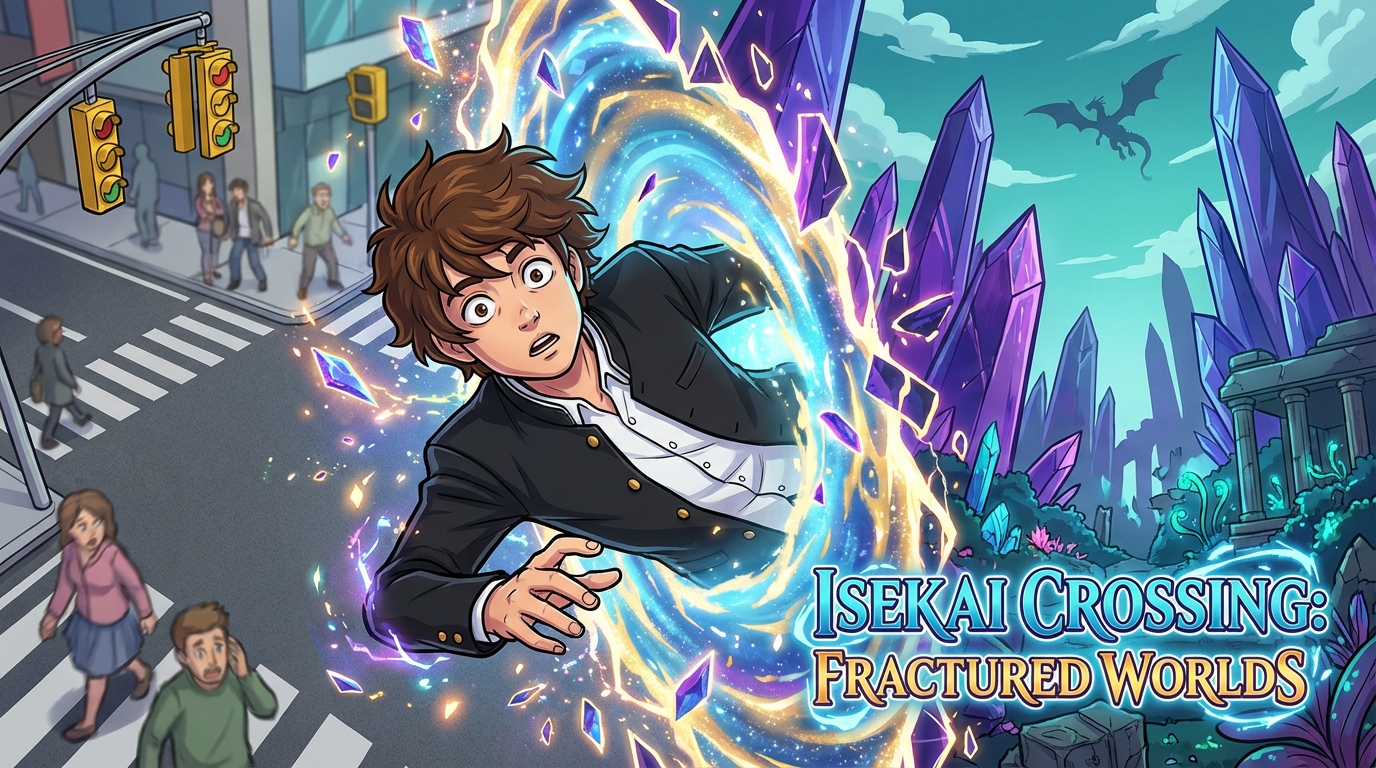
In many of your favorite gateway stories, the adventure begins not with a choice, but with a sudden twist of fate. Classic tales often use natural disasters or unexpected accidents to whisk characters away from their mundane lives. Think about how a simple tornado carried Dorothy to the Land of Oz or how falling down a rabbit hole changed everything for Alice. These accidental events serve as a bridge that breaks the rules of our reality without warning. By using a sudden accident, authors can instantly raise the stakes for a protagonist who is completely unprepared for what comes next.
Modern stories have put a high-speed spin on this concept through a popular phenomenon often seen in Japanese portal fantasies. In many contemporary series, a sudden traffic accident becomes the catalyst for a character to wake up in a digital or magical world. This trope has become a beloved staple because it moves the plot along quickly and gets you straight into the action. Whether it is a character being summoned through a mysterious video game or a sudden surge of magical energy, these fast-paced transitions keep the energy high. Understanding these mechanics helps you appreciate how writers create that perfect sense of wonder and urgency.
When you step through a magical wardrobe or fall down a rabbit hole, you are often stepping into the role of the Chosen Hero who is destined to save this new world. This trope works so well because it takes a normal person just like you and gives them a grand purpose they never had in their everyday life. In stories like The Chronicles of Narnia or The Matrix, the protagonist starts as an underdog who must rise to meet a massive challenge. Writers use this structure to help you feel the same sense of wonder and responsibility that the character experiences. It turns a regular journey into a high-stakes adventure where your unique perspective from Earth is the key to victory.
Being a Fish Out of Water is the other side of this coin, focusing on how a character survives while knowing absolutely nothing about their surroundings. You get to learn the mechanics of the magic system or the strange social rules right alongside the hero as they struggle to adapt. In many popular stories or classics like The Wizard of Oz, the protagonist's confusion actually helps the reader understand the world building without feeling overwhelmed. This trope forces the character to ask questions and make mistakes, which makes the new reality feel much more grounded and believable. It is a practical way to explain complex lore while keeping you hooked on the character's personal growth.
Watching an unsuspecting person transform from a confused outsider into a confident leader is one of the most satisfying parts of portal fiction. You get to see them navigate game-like systems or ancient prophecies using nothing but their wits and their background from the modern world. This transition highlights the contrast between our mundane reality and the limitless possibilities of a fantasy realm. Whether they are learning to wield a sword or mastering a new language, their journey of discovery mirrors your own as you turn the pages. These archetypes bridge the gap between our world and the fantastic, making the impossible feel within your reach.
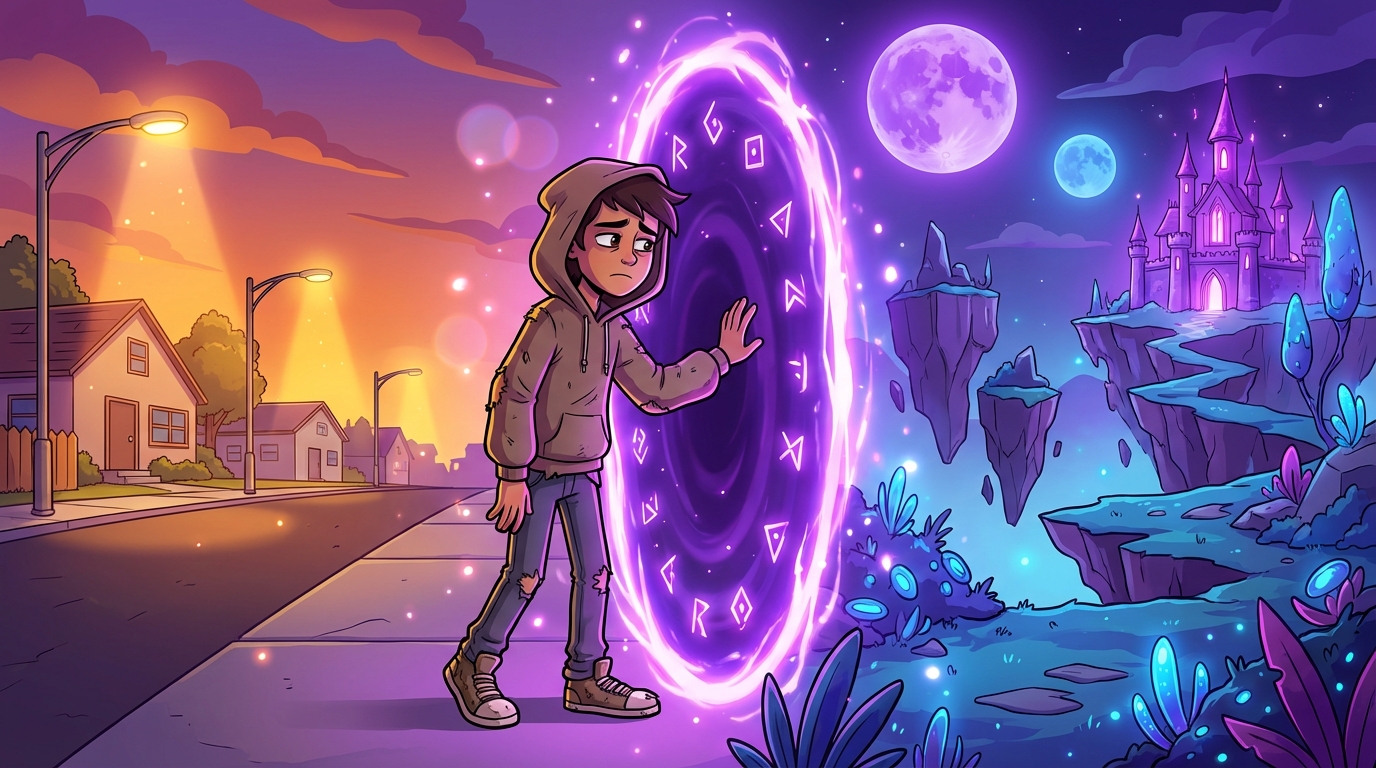
The way a character moves between worlds is the engine that drives your favorite portal fantasy stories. You might see a classic gateway like the wardrobe in The Chronicles of Narnia, where a physical object acts as a bridge to a magical realm. Other stories use accidental events, such as the famous tornado in The Wizard of Oz or the mysterious well in Inuyasha, to pull heroes away from their ordinary lives. Modern tales often lean into more sudden transitions, using technology or unexpected incidents to trigger the journey. Understanding these mechanics helps you see how authors build the rules of their universes and set the stakes for the adventure ahead.
Once your hero arrives in a new land, the most compelling question becomes whether they will ever choose to leave. This return home dilemma creates a fascinating tension between the wonders of a magical paradise and the familiar comforts of the world they left behind. In some stories, the portal is a one way trip, forcing the character to fully commit to their new life and identity. Other narratives, like Alice in Wonderland, treat the journey as a temporary dream where the ultimate goal is finding the way back. You get to watch characters weigh the value of their old relationships against the thrill of being a legendary hero in a brand new world.
Understanding the mechanics behind portal fiction helps you appreciate the craft that goes into building your favorite magical escapes. Whether it is a dusty wardrobe, a sudden storm, or a digital glitch, these transition points are the structural bones that hold a story together. By breaking down these tropes, you can see how authors use specific gateways to set the tone for the entire adventure. This knowledge turns every new book into a fun puzzle where you get to see how the hero will cross the threshold. Analyzing these patterns makes the reading experience even more rewarding as you spot the clever ways writers subvert our expectations.
There is nothing quite like the thrill of leaving the mundane world behind for a realm of dragons, magic, or futuristic technology. These stories offer a unique sense of wonder because they allow you to experience the discovery of a new world right alongside the protagonist. If you are looking for hidden sci-fi gems or fantasy epics, there are plenty of recommendations and limited-time deals to help you stock your digital library. Exploring different types of gateway fantasies has never been easier or more affordable. Grab a new title today and see where your next portal might lead you.
Portal fiction is a genre where characters travel from our ordinary world into a magical or futuristic realm through a hidden gateway. It focuses on the wonder of discovery and how regular people become heroes in strange new lands.
You will often see everyday items like wooden wardrobes, dusty mirrors, or even rabbit holes acting as doors to other worlds. These objects turn the familiar parts of your home into paths toward extraordinary adventures.
This trope suggests that magic is hiding in plain sight, like a secret train platform or a wall that opens when tapped. It makes you feel like an incredible adventure could be waiting just around the corner in your own neighborhood.
Yes, portal fiction often crosses into sci-fi through the use of high-tech wormholes or experimental machines. Instead of a magical forest, you might step through a digital gate and find yourself on a distant planet or in a different dimension.
By recognizing these tropes, you can easily identify the types of stories you enjoy most. This makes it much simpler to browse through limited-time deals and pick out your next favorite adventure without any guesswork.
The biggest draw is the chance to reinvent yourself in a place where the normal rules of reality do not apply. It offers the ultimate escape from the mundane world and lets you explore limitless possibilities alongside the main characters.