
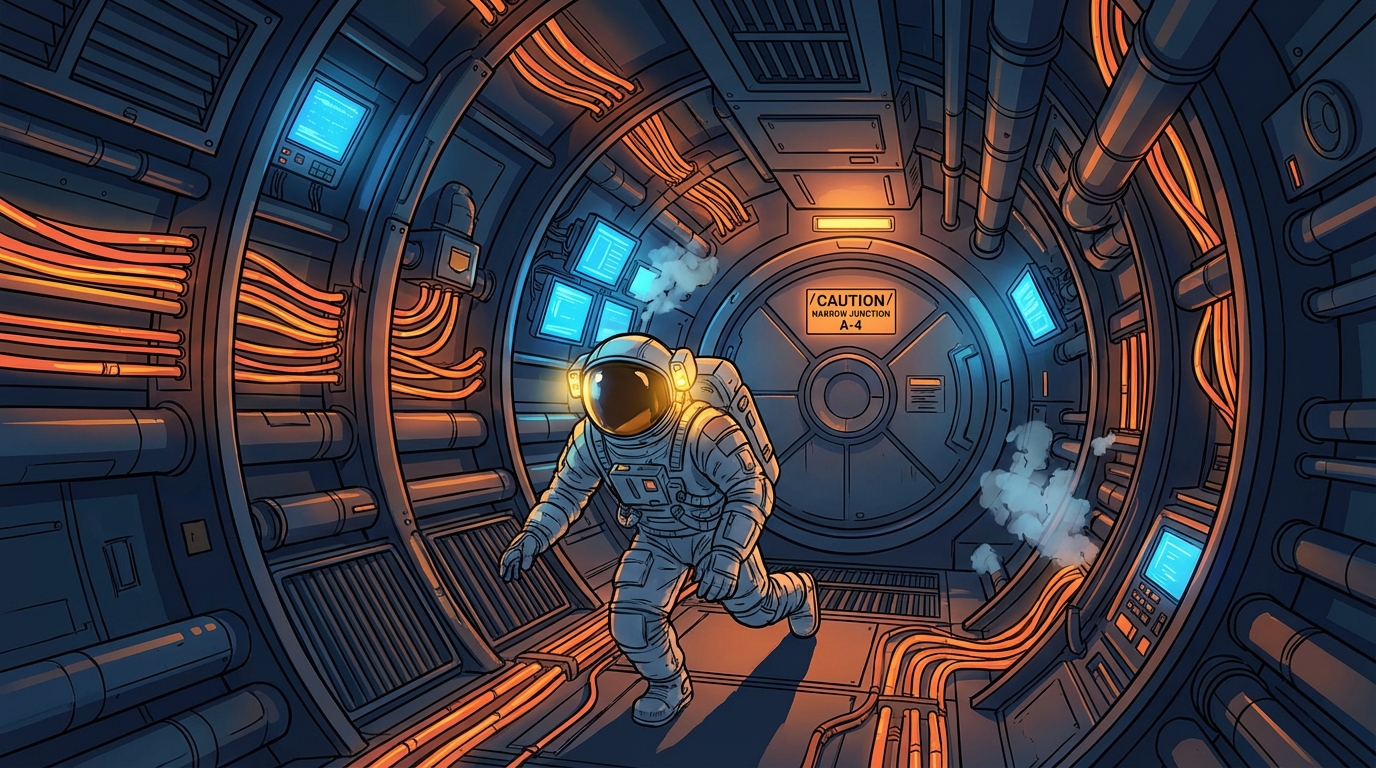
Imagine looking out a window and seeing the curve of the Earth glowing against the velvet black of the cosmos. For over twenty-five years, humans have lived continuously among the stars, turning space station settings from distant science fiction dreams into our daily reality. With more than 280 explorers having walked these metallic halls, the frontier of low Earth orbit is becoming a bustling hub of activity and discovery.
As we move into 2026, life in orbit is changing faster than ever before. While current crews conduct vital research, new missions are constantly arriving to push the boundaries of what is possible. This transition toward a more commercial and accessible sky means your favorite sci-fi stories are closer to the truth than you might think. It is a thrilling time to be a reader, as the line between the books we love and the future we are building continues to blur.
Imagine being trapped in a floating metal box where the only thing between you and the silent vacuum of space is a few inches of steel. This locked room setting is a favorite for science fiction authors because it turns a simple mechanical failure into a high stakes race for survival. You get to experience the raw tension of characters who realize their oxygen is a finite resource and their nearest neighbors are thousands of miles away. In books like Becky Chambers’s Wayfarers series or the intense corridors of the station in Leviathan Wakes, the environment itself becomes a living character that can either protect or betray the crew. It is a thrilling way to explore how people react when there is nowhere to run and every breath counts.
These isolated communities force small groups of strangers to rely on one another in ways that planetary explorers never have to face. When you are stuck in a tin can with the same twelve people, every small disagreement or secret becomes a potential explosion. Authors use this claustrophobic pressure to strip away social masks and show you who these survivors truly are under the surface. You might find yourself rooting for a grumpy engineer or a terrified scientist as they troubleshoot a life threatening leak while managing their own fraying nerves. It is this mix of human drama and technical grit that makes space station stories so addictive for readers who love a good survival challenge.
The best part about these stories is how they make the vastness of the galaxy feel incredibly small and personal. Even as we look toward real world milestones like the twenty five years of continuous human presence on the International Space Station, fiction takes those real life foundations and pushes them to the edge. You get to explore worlds where the hum of the ventilation system is the most comforting sound in the universe and a flickering light bulb means everything. These books remind us that even in the middle of a great void, the human spirit and the will to survive can fill up any space. Grab one of these titles during a limited time sale to experience the heart pounding excitement of life on the final frontier.
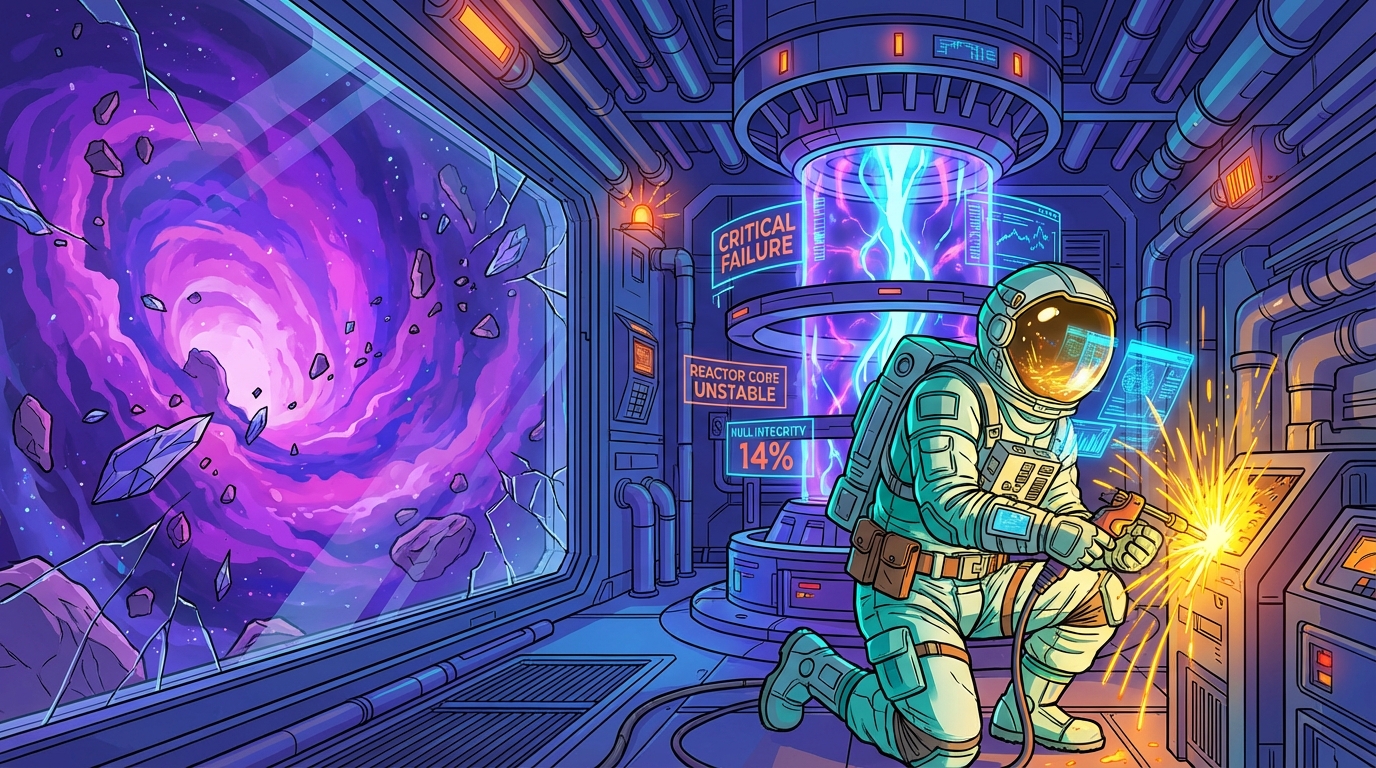
In a space station setting, you are trapped in a high-stakes game of survival where the walls themselves are alive with the hum of machinery. Unlike stories set on wide-open planets, these tales focus on the intense pressure of living in a locked room floating in a vacuum. Every narrow corridor and hissing airlock becomes a character that can either save your life or end it with a single mechanical failure. You feel the weight of the silence outside, knowing that only a few inches of metal protect you from the unforgiving reach of deep space. This constant tension turns simple daily routines into brave acts of endurance against the elements.
The true heart of these stories lies in the delicate balance of technology that keeps the crew breathing and warm. When a life support system flickers or a seal begins to leak, the drama feels personal because there is nowhere else to run. You experience the grit and determination of characters who must fix complex problems using only the tools they have on hand. This isolated environment forces people together, creating a tight-knit community where every person must rely on their neighbor to survive. It is a thrilling look at human ingenuity and the bonds we form when pushed to the absolute limit.
If you enjoy stories that make your heart race, space station settings offer some of the most exciting adventures in science fiction. Authors use these confined spaces to explore how we handle fear and hope when the exit is miles above the Earth. You might find yourself holding your breath during a spacewalk or cheering when a desperate repair finally clicks into place. These books are perfect for readers who love the feeling of being right there in the cockpit, facing the unknown with nothing but grit and a wrench. Capturing one of these titles during a limited-time sale is a great way to start your next journey into the stars.
The International Space Station serves as the ultimate blueprint for the locked room mysteries of the cosmos. When you look at the daily lives of the crew, you see a world defined by narrow corridors and the constant hum of life support machinery. This setting creates a unique brand of claustrophobic tension where every hiss of a vent or flicker of a light bulb matters for survival. After twenty five years of continuous human presence, the station has become a lived in environment full of makeshift repairs and cluttered workstations. These gritty, practical details provide the perfect inspiration for authors who want to ground their orbital bases in a sense of technological realism.
You can feel the weight of isolation in these stories as characters navigate the social pressures of a small, high stakes community. In science fiction novels like The Luminous Dead or Six Wakes, the setting acts as a silent character that can either protect or trap the protagonists. The ISS proves that living in space is less about grand adventures and more about the meticulous management of limited resources. Every tool has a specific place, and every person has a vital role to play within the metal shell protecting them from the vacuum outside. This delicate balance between safety and catastrophe is what makes station based stories so gripping for readers who love survival themes.
As the ISS prepares for future commercial missions and its eventual retirement, it leaves behind a legacy of how humans handle long term confinement. You might notice that the best fictional space stations mirror this history by showing signs of wear and tear rather than being pristine and perfect. Whether it is the crowded docks of a mining hub or the sterile labs of a research outpost, the influence of real world orbital life is everywhere. These details help you feel the pressure of the deep cold just inches away from the hull. Embracing these realistic touches turns a simple setting into a heart pounding experience that stays with you long after the final page.
Space station settings offer a unique kind of thrill because they turn the environment itself into a character. Unlike stories about exploring vast alien planets, these tales focus on the intense pressure of living in a locked room where the only thing between you and the void is a thin metal hull. This sense of claustrophobia creates a high-stakes atmosphere where every mechanical failure or social conflict feels like a matter of life and death. You get to watch characters navigate isolated communities and survive using nothing but their wits and limited technology. It is this combination of technical ingenuity and human drama that makes it so hard to put these books down once you start reading.
While the real International Space Station is currently celebrating over twenty-five years of continuous human presence, sci-fi authors take that foundation and push it to the edge of imagination. You can find this tension in modern classics like the Expanse series, where stations like Ceres become bustling but dangerous hubs of activity. These stories remind us that even as we look toward a future of commercial space travel, the challenges of living in orbit remain incredibly grounded and relatable. Whether it is a mystery onboard a derelict vessel or a political thriller in a spinning habitat, the setting provides a perfect backdrop for exploring how people act when they cannot simply walk away from their problems. If you prefer a more rugged frontier feel, you might even saddle up for adventures that blend orbital survival with lawless outposts.
If you are ready to launch into your next great read, there has never been a better time to stock up on these pulse-pounding adventures. We are constantly tracking the best limited-time deals so you can explore distant galaxies and cramped airlocks without breaking your budget. Finding a new favorite world should be as exciting as the stories themselves, and we love helping you discover hidden gems at a great price. Keep an eye on our latest recommendations to find your next favorite space station saga and enjoy the joy of a high-stakes journey from the comfort of your own home.
Space stations create a perfect high stakes environment where the setting itself is a character. These locations turn simple mechanical issues into life or death situations because there is nowhere to run and resources like oxygen are limited.
Being confined to a small metal box forces strangers to rely on each other in ways they never would on Earth. You get to see how small disagreements or secrets can boil over when people are stuck together in a tiny space for months at a time.
The line between fiction and reality is blurring as we move toward a more commercial and accessible sky in 2026. While real stations are currently used for vital research, they share the same feeling of isolation and technological wonder found in series like Leviathan Wakes.
A great space station story focuses on the physical reality of living in a vacuum, such as the thin walls separating you from the void. Authors like Becky Chambers use these details to make you feel the tension of relying on a machine for every single breath you take.
You can absolutely find amazing limited time deals on science fiction novels that explore life in orbit. Keeping an eye out for these sales is a great way to discover new authors and jump into expansive series without spending a lot of money.
Look for stories that use the locked room trope where characters are trapped together during a crisis. These books emphasize the thrill of survival and the psychological pressure of being thousands of miles away from the nearest neighbor.