
Imagine opening a new Sci-Fi epic or a sprawling Fantasy novel and being instantly transported to a moment that changes everything. Mastering modern prologue writing techniques is about creating that "wow" factor while ensuring every sentence serves a vital purpose for your story. When you treat your opening pages as a high-stakes promise to your reader, you turn a simple introduction into a powerful hook that makes your book impossible to put down.
Think of your prologue as a secret gateway into your world, much like the chilling opening of a dark portal or a mysterious transmission from a distant galaxy. Professional authors look for prologues that act as essential pillars for the plot rather than just a place to hide old history. By focusing on emotional impact and earth-shattering stakes, you can give your readers a reason to fall in love with your universe before they even reach the first chapter.
One of the most effective ways to hook a reader is to show them a threat that your hero hasn't noticed yet. This technique, known as dramatic irony, creates an immediate sense of tension because the audience knows a "ticking time bomb" is hidden under the table. You might show a villain plotting in a dark corner or a natural disaster brewing on the horizon while your protagonist is busy enjoying a quiet morning. Because you have shared this secret with the reader, they will feel a desperate need to keep turning pages to see when the danger finally strikes. It turns a peaceful opening into a high stakes race against time that keeps everyone on the edge of their seats.
In epic fantasy or space operas, this method allows you to establish the scale of the world without slowing down the story. You can use a prologue to show an ancient seal breaking or a distant star system falling to an enemy fleet. While your main character might start their journey in a small village or a quiet research station, the reader already understands the massive scope of the coming conflict. This creates a wonderful sense of anticipation as you watch the hero take their first steps toward a destiny they do not yet understand. It makes every small interaction feel more significant because the audience knows exactly what is at stake for the entire galaxy.
Think of your prologue as a strategic promise that something big is about to happen. If you show a hidden assassin preparing their weapon in the opening pages, your reader will be much more patient during the necessary world building that follows in chapter one. You are giving them a reason to care about the hero's safety before the hero even knows they are in trouble. This technique works best when the information you reveal is essential to the plot and cannot be shown later. By sharing a glimpse of the hidden threat, you build a bridge of excitement that carries your audience straight into the heart of your new world.

One of the most exciting ways to kick off a grand adventure is by stepping into the shoes of someone who sees the world from a completely different angle. By using a distant perspective, you can show your readers a history altering event that your main hero might not even know about yet. This technique works like a cinematic wide shot, capturing the fall of an ancient kingdom or the arrival of a starship fleet before the personal story begins. It creates a sense of massive scale that makes the entire universe feel much larger and more alive. When you see a massive conflict through the eyes of a soldier on the front lines or a king in a crumbling palace, the stakes for the rest of the book feel instantly higher.
This approach acts as a bold promise to your reader that something monumental is at stake. In epic fantasy or sprawling space operas, these opening scenes give you the chance to establish the rules of your world without slowing down the main plot later on. Think of how a brief glimpse into a legendary battle can make a simple farm boy's journey feel much more urgent and important. It hooks the reader by showing them the "big picture" before diving into the intimate details of the first chapter. You are essentially giving your friends a VIP pass to see the most dramatic moment in your world's history.
To make this work effectively, you must ensure that this distant viewpoint feels like a necessary piece of the puzzle rather than just extra information. Every sentence should build tension and make the reader wonder how these massive events will eventually crash into the lives of your main characters. It is a strategic move that rewards curious readers who love to piece together the lore of a new favorite series. By the time they reach the end of the prologue, they should feel a rush of excitement to see how the world changed after such a huge event. This technique transforms a simple beginning into an unforgettable invitation to explore a complex and thrilling new reality.
A great prologue works like a movie trailer that sets the stage for the epic journey you are about to take. It acts as a narrative promise, giving you a taste of the high stakes or the unique magic system before the main characters even step onto the page. Think of how a space opera might begin with a massive galactic battle to show you the scale of the conflict, even if chapter one starts on a quiet farm. This technique ensures you know exactly what kind of excitement to expect, keeping you hooked through the early moments of world building. By establishing the mood and the "rules" of the world early on, the author builds trust with you as a reader.
This opening section is your first glimpse into the soul of the story, signaling whether you are in for a gritty mystery or a whimsical adventure. In many popular fantasy series, a prologue might introduce an ancient threat that the heroes do not even know exists yet. This creates a wonderful sense of dramatic irony because you possess secret knowledge that makes every small conversation feel more important. It turns the book into a rewarding puzzle where you are constantly looking for clues that connect back to that first explosive scene. These early pages are a strategic choice to highlight the most thrilling elements of the setting right away.
When you see a prologue done well, it justifies its existence by being absolutely essential to your understanding of the plot. It is not just a place for a history lesson, but a vibrant scene that makes the eventual payoffs feel earned and satisfying. You can feel the tension rising because the author has already shown you the "magic" or the danger lurking in the shadows. This approach makes it easier to dive into a new world, especially when you are taking advantage of a great deal on a fresh series. A strong prologue ensures that by the time you reach the final chapters, every promise made at the beginning is kept in a spectacular way.
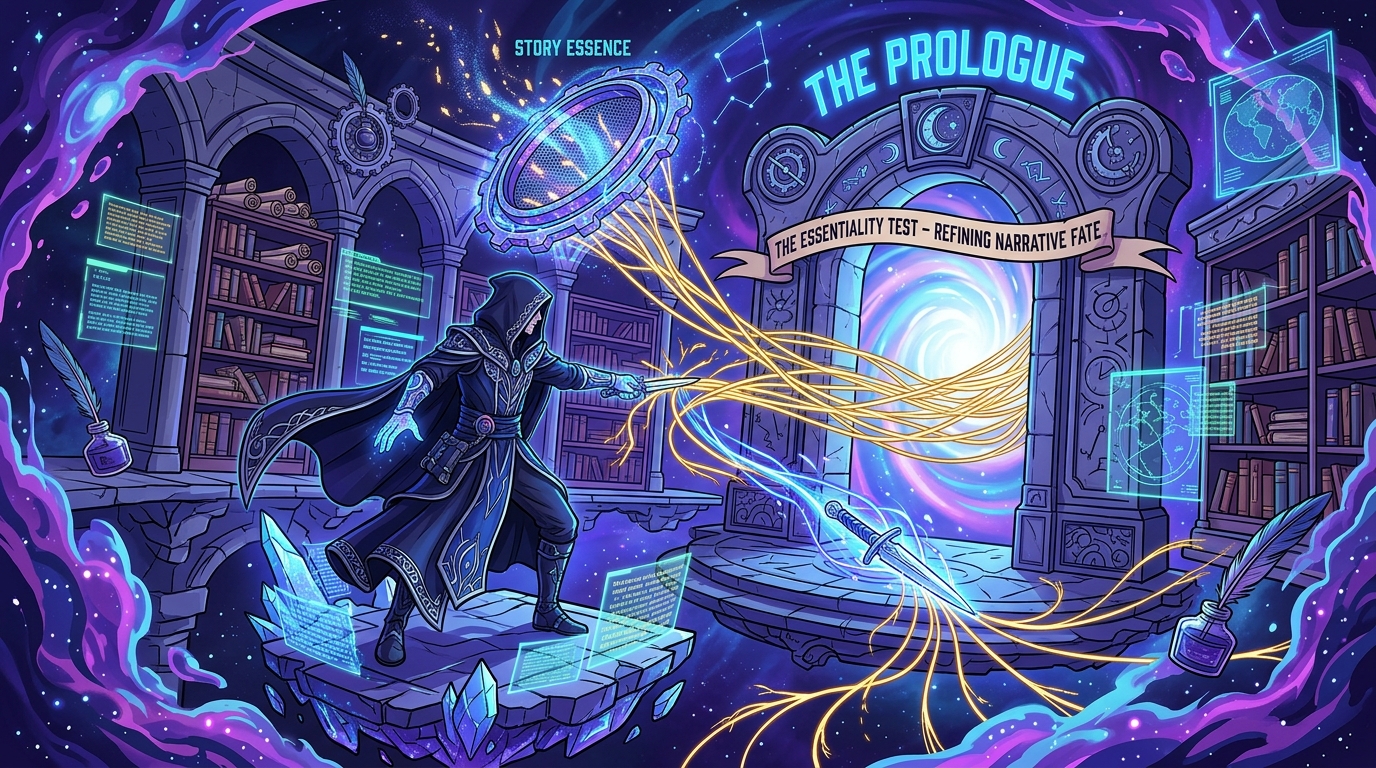
You can think of your prologue as a high stakes bridge that connects your reader to the heart of your story. To see if yours is truly necessary, try reading your manuscript starting directly from chapter one to see if the plot still holds up. If you find that the emotional weight remains the same and the reader can still follow the action, that extra opening might be better served as a flashback later on. A great prologue is a strategic choice that acts as a promise to your audience that something earth shattering is about to happen. By applying the essentiality test, you ensure it feels like a vital piece of the puzzle that the reader simply cannot do without.
When you look at modern fantasy or sci-fi hits, you will notice that the best openings establish a complex world or a looming threat that chapter one cannot cover on its own. For example, a prologue might show a galactic war from centuries ago that explains why your protagonist is now living in a wasteland. This technique builds immediate curiosity and grounds the reader in the lore without slowing down the main character's journey. By applying this essentiality test, you ensure that every page of your book is pulling its weight. You want your readers to be hooked by the mystery of your world from the very first sentence.
Mastering the art of the prologue is like handing your reader a golden key to a brand new world. When you use these techniques to set the stage, you are doing more than just sharing information. You are establishing the high stakes and deep mysteries that make genres like high fantasy and space operas so much fun to explore. A well-crafted opening acts as a promise that the journey ahead will be worth every second of your reader's time. By focusing on a single, earth-shattering moment, you ensure that your story starts with the kind of energy that keeps people turning pages late into the night.
Think of your prologue as a strategic tool that makes the rest of your book shine even brighter. It should be a gift to your audience, offering them a unique perspective or a glimpse into a complex setting that they cannot get anywhere else. If your opening makes the reader feel the weight of a looming dragon or the cold silence of a distant galaxy, you have succeeded. Always remember to test your work by asking if the story truly needs this extra layer to be felt and understood. When you write with this kind of precision and heart, you create an unforgettable experience that welcomes every reader into your imagination.
Your prologue should act as a high stakes promise that hooks the reader instantly. It serves as a vital pillar for your plot rather than just a place to dump old history or backstory.
You can create immediate tension by showing the reader a threat that your hero hasn't discovered yet. When the audience knows a ticking time bomb is hidden under the table, they will feel a desperate need to keep reading to see when the danger finally strikes.
It is best to avoid slowing down your story with heavy explanations. Instead, use the prologue to show the scale of your world through action, such as an ancient seal breaking or a distant star system falling to an enemy.
Focusing on earth shattering stakes and deep emotions gives your readers a reason to fall in love with your universe. By creating a powerful hook early on, you make your book impossible to put down before the first chapter even begins.
A prologue is a perfect tool for showing a villain plotting in a dark corner while your protagonist is still safe. This setup builds a sense of urgency and makes the eventual confrontation feel much more meaningful to the reader.
A great prologue acts as a secret gateway into your world that feels essential to the overall plot. If your opening pages create a wow factor and set the stage for the journey ahead, you have successfully mastered the character arc structures technique.