
Imagine looking up at the stars and knowing that an entire empire, a ragtag crew of heroes, and an ancient mystery are waiting for you just beyond the horizon. You don’t need a physics degree to enjoy these stories; you just need a sense of adventure and a love for epic journeys. Exploring common space opera tropes is the perfect way to understand why we fall in love with these massive worlds again and again. Whether it’s the thrill of a daring escape in a rusty starship or the tension of a galactic rebellion, these familiar patterns make the vastness of space feel like home.
Finding your next favorite series is even better when you can snag a great deal on a story that hits all the right notes. From the political schemes in Dune to the found-family charm of The Expanse, these tropes act as a roadmap to your next great escape. You get to witness the rise and fall of civilizations and the bravery of ordinary people doing extraordinary things across the galaxy. It is a golden age for fans of the genre, with more accessible and diverse stories hitting the shelves than ever before.
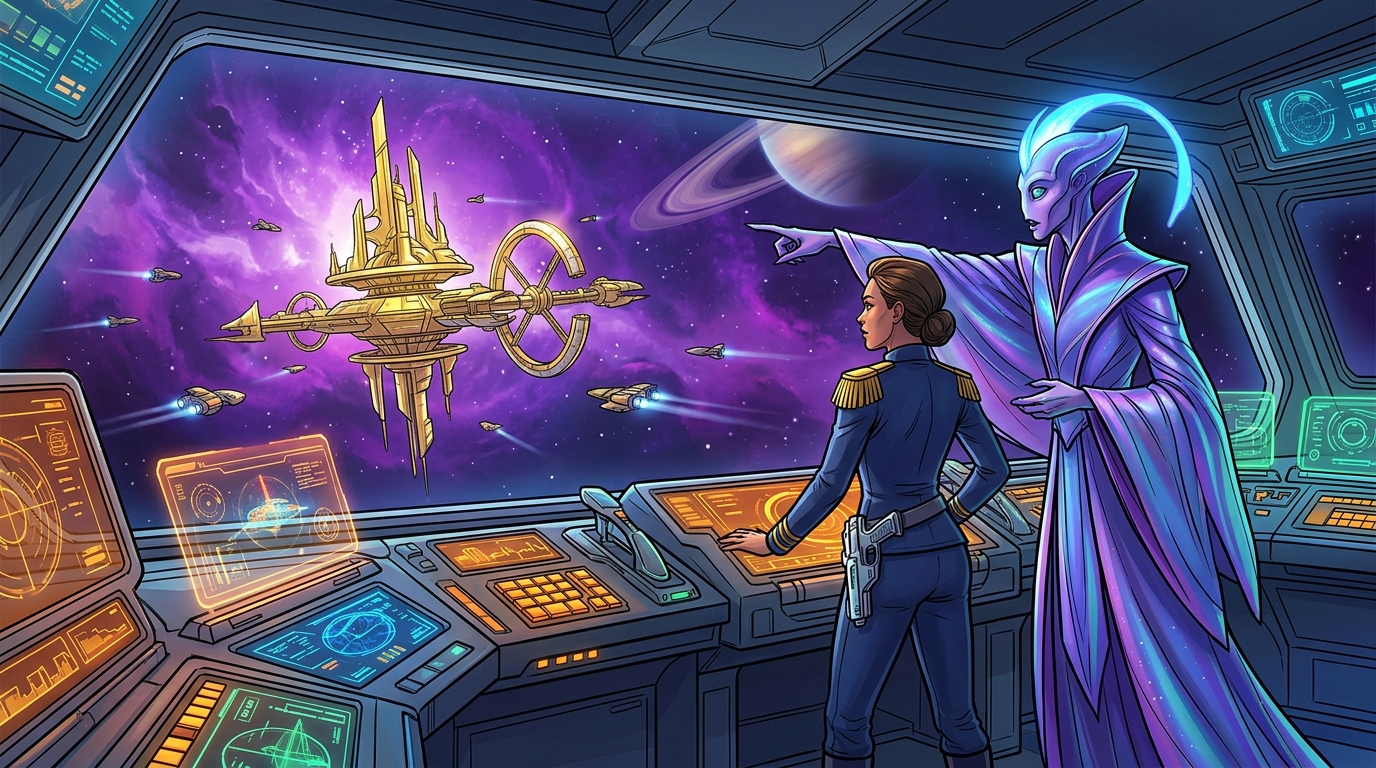
At the heart of every great space opera lies a sprawling galactic empire that stretches across hundreds of star systems. These massive civilizations provide the perfect backdrop for high stakes drama and epic conflicts that feel larger than life. You will often find a central government, sometimes a noble republic but more frequently a tyrannical regime, trying to maintain control over the distant corners of the void. Think of the Galactic Empire in Star Wars or the complex political web of the Imperium in Dune. These settings give you a sense of scale that makes every mission feel like the fate of the universe is hanging in the balance.
Navigating these enormous star systems requires a specialized world building structure that keeps the story moving at a fast pace. Authors use these vast settings to explore how different planets develop unique cultures, from desert worlds to high tech urban hubs. You might see a small rebel group fighting against a massive bureaucracy or a lone pilot discovering an ancient secret on a forgotten moon. This trope allows for a mix of political intrigue and grand adventure, ensuring there is always a new corner of the galaxy for you to explore. Whether you are reading Foundation or The Expanse, the sheer size of the setting is what makes the journey feel so rewarding.
The best part about these massive interstellar settings is how they create endless opportunities for new stories and affordable book series. When an empire spans an entire galaxy, the possibilities for different alien species and hidden star systems are practically infinite. You can get lost in the lore of a thousand year old dynasty or follow a ragtag crew trying to survive on the fringes of imperial space. These expansive worlds are designed to spark your imagination and keep you turning pages late into the night. It is a fantastic time to be a reader, as digital deals often make it easier than ever to start a long running saga without breaking your budget.
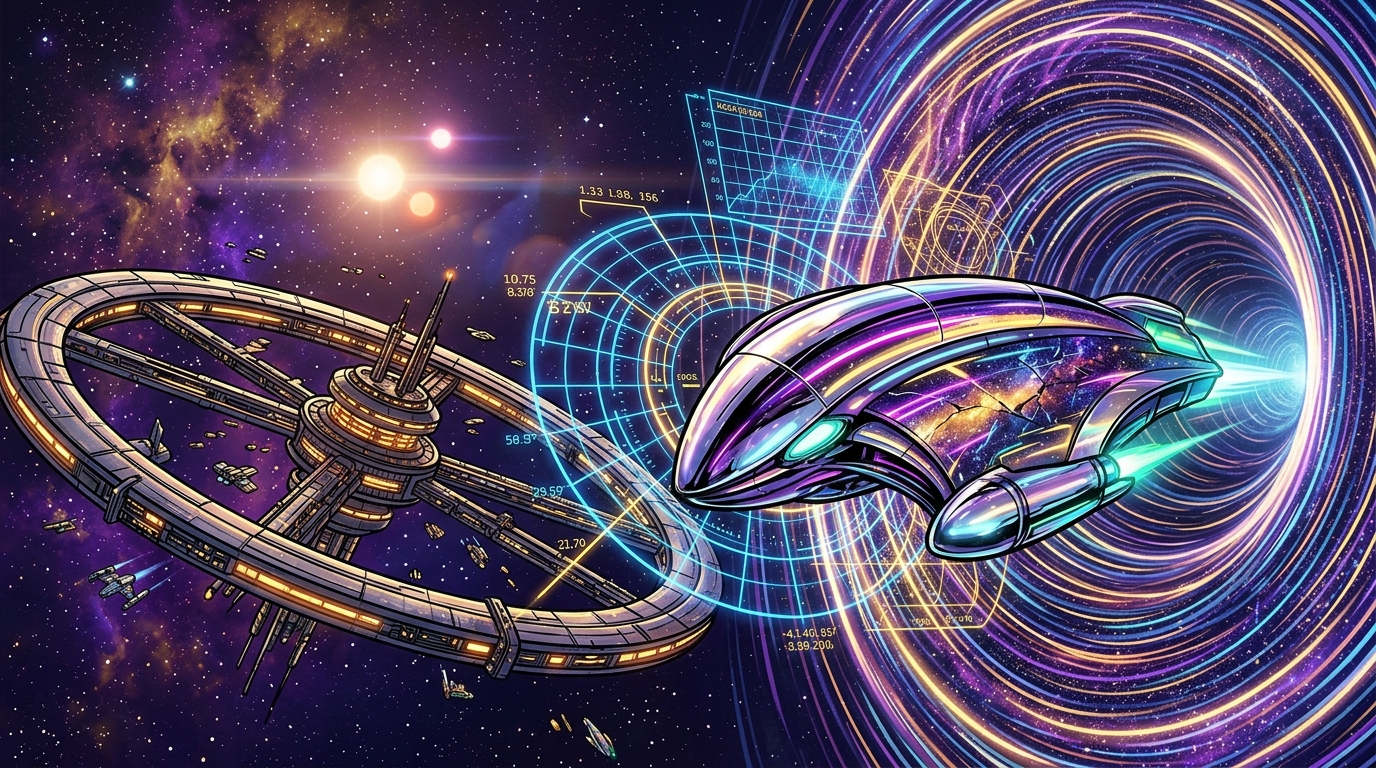
In the vast reaches of a space opera, the sheer size of the universe could easily slow a story to a crawl if characters had to travel at realistic speeds. To keep the adventure moving, authors use Faster Than Light travel to bridge the gap between distant suns. Whether it is the warp drives seen in Star Trek or the hyperspace jumps in Star Wars, these technologies allow your favorite heroes to zip across the galaxy in days rather than centuries. This trope is essential because it transforms the lonely void of space into a connected neighborhood where grand battles and secret meetings can happen at a moment's notice.
High tech gadgets and massive starships act as the backbone of these futuristic worlds, making the impossible feel like a daily reality. You might see characters using sleek teleportation pads to board a ship or ancient stargates left behind by mysterious precursor races to step onto alien soil. These advancements are not just for show, as they often provide the tools for a ragtag crew to outsmart a powerful galactic empire. In series like The Expanse or Becky Chambers' Wayfarers books, the technology feels like an extra character that helps define how the crew survives against the odds.
The best part about these sci-fi staples is how they open the door for you to experience incredible new worlds without getting bogged down in complex math. By using these clever storytelling shortcuts, writers can focus on the emotional journey of the characters and the high stakes of their missions. It is a thrilling time to explore these stories, especially with so many great book deals available that let you travel the stars on a budget. When you pick up a space opera, you are not just reading a book, you are stepping into a high speed vehicle headed for the edge of the imagination.
At the heart of every great space adventure is a crew that feels more like a family than a group of coworkers. You often start with a diverse mix of characters, such as a pilot with a mysterious past, a grumpy mechanic, and perhaps an alien with a heart of gold. These misfits might not have much in common at first, but living on a cramped starship forces them to rely on one another to survive. This trope is a fan favorite because it shows how people from different worlds can find a sense of belonging together. You can see this emotional bond in stories like The Expanse or Guardians of the Galaxy, where the ship truly becomes a home.
Watching these characters grow together is one of the most rewarding parts of reading sci-fi. Instead of a perfect military unit, you get to see how real people handle the stress of dodging asteroids or outrunning galactic empires. Their constant bickering and eventual loyalty make the stakes feel personal and urgent. When the crew faces a crisis, you are not just rooting for a mission to succeed, but for your favorite friends to make it home safely. It is this human connection that turns a simple journey through the stars into an unforgettable emotional experience.
If you are looking for a new world without spending a fortune, keep an eye out for limited time deals on these character driven stories. Many digital bookstores offer deep discounts on space opera series that feature these lovable bands of rogues. Grabbing a bargain on a classic like Firefly or a modern space adventure is a great way to explore the galaxy on a budget. There is nothing quite like the joy of discovering a new favorite book while saving a few dollars. These stories remind us that no matter how vast the universe is, nobody has to face it alone.
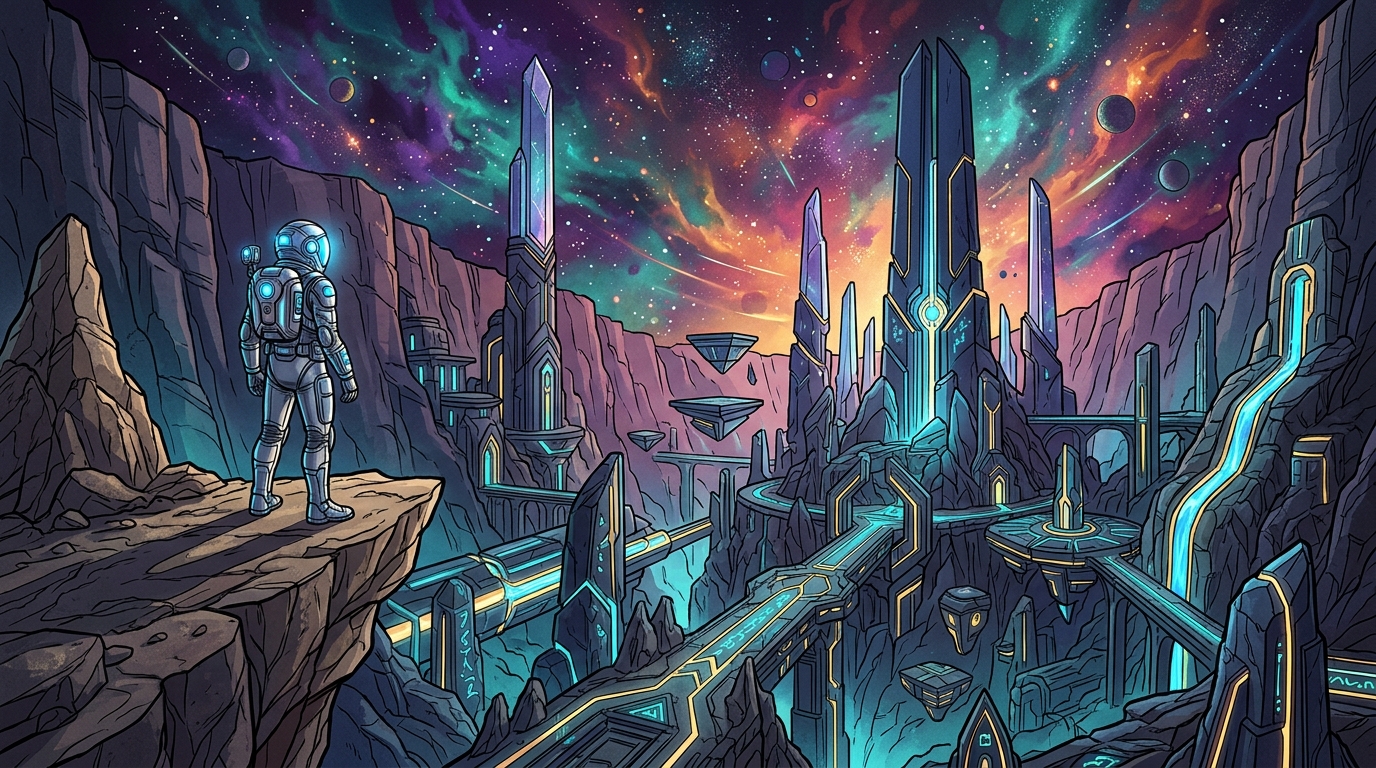
One of the most exciting parts of any space opera is the moment characters stumble upon a secret that has been hidden for millions of years. In these stories, the universe is often filled with the ruins of ancient precursor races that existed long before humans ever looked at the stars. These long lost civilizations leave behind massive structures, strange technology, or mysterious signals that challenge everything our heroes think they know. Discovering a relic from an ancient race creates a sense of wonder and reminds you that the galaxy is much older and deeper than it appears.
You will often see these cosmic mysteries used as a way to drive the plot forward and raise the stakes for the entire galaxy. In the classic series Heechee Saga by Frederik Pohl, characters explore abandoned space stations filled with advanced tech they do not fully understand. Similarly, the Halo series features massive ring worlds built by a vanished group known as the Forerunners. These tropes work because they tap into your natural curiosity about the unknown and the thrill of a good treasure hunt. Finding these artifacts often gives a ragtag crew the edge they need to stop a modern threat or unlock a new way to travel the stars.
The best part about these ancient secrets is how they make the vastness of space feel even more magical and full of possibility. As a reader, you get to piece together the clues alongside the characters to solve puzzles that have lasted for eons. While these books often deal with big ideas, they are also perfect for anyone looking to escape into a world of pure adventure and discovery. If you are looking for your next great read, many of these epic stories are available at a great value during limited time sales. There is nothing quite like the joy of starting a new series and uncovering the secrets of a forgotten empire from the comfort of your favorite chair.
The beauty of space opera lies in how these familiar building blocks continue to adapt and grow for a new generation of readers. While the classic image of a sprawling galactic empire or a mysterious precursor race remains popular, modern authors are finding fresh ways to use these tropes to tell more inclusive and thoughtful stories. You can see this evolution in how the ragtag crew has shifted from simple archetypes to deeply emotional found families who face complex moral dilemmas. Whether you are revisiting the massive scale of Dune or discovering the gritty realism in space travel found in The Expanse, these recurring themes provide a comfortable roadmap through the infinite stars.
Exploring these vast universes has never been more accessible, especially with the incredible variety of stories available today. These timeless structures help simplify the massive scale of the cosmos, making it easy for you to jump into a new world and feel right at home. It is an exciting time to be a reader, as limited time deals and digital collections make it simple to build your own library of interstellar adventures. By understanding these common patterns, you can better appreciate the creative ways your favorite authors subvert expectations and push the boundaries of what science fiction can achieve. For those interested in how technology turns against its creators, exploring the best robot revolution books can provide a fascinating look at another popular sci-fi subgenre.
A space opera is a subgenre of science fiction that focuses on epic adventures, high stakes, and dramatic stories set in outer space. You will usually find massive starships, galactic empires, and heroic characters facing off against incredible odds across the stars.
You can look forward to themes like the struggle for freedom against a galactic empire, the bond of a found family on a small ship, and the mystery of ancient civilizations. These stories focus on the human heart and big emotions rather than complex physics or technical jargon.
Galactic empires provide a huge sense of scale and high stakes for the characters. Whether the empire is a noble republic or a scary tyranny, it creates a perfect backdrop for political drama and rebellion that makes the universe feel alive and dangerous.
You do not need a science degree to fall in love with these books. Space opera is all about the thrill of the journey and the bravery of the characters, so you can just sit back and enjoy the adventure without worrying about how the engines work.
Looking for specific tropes like the ragtag crew in The Expanse or the political schemes in Dune is a great roadmap. You should also keep an eye out for limited time deals on popular titles to help you explore new worlds without spending a fortune.
The found family trope, often seen in shows like Firefly or books like The Expanse, makes the vastness of space feel like home. It is incredibly heartwarming to watch a crew of strangers become a tight knit family while they face the dangers of the galaxy together.