
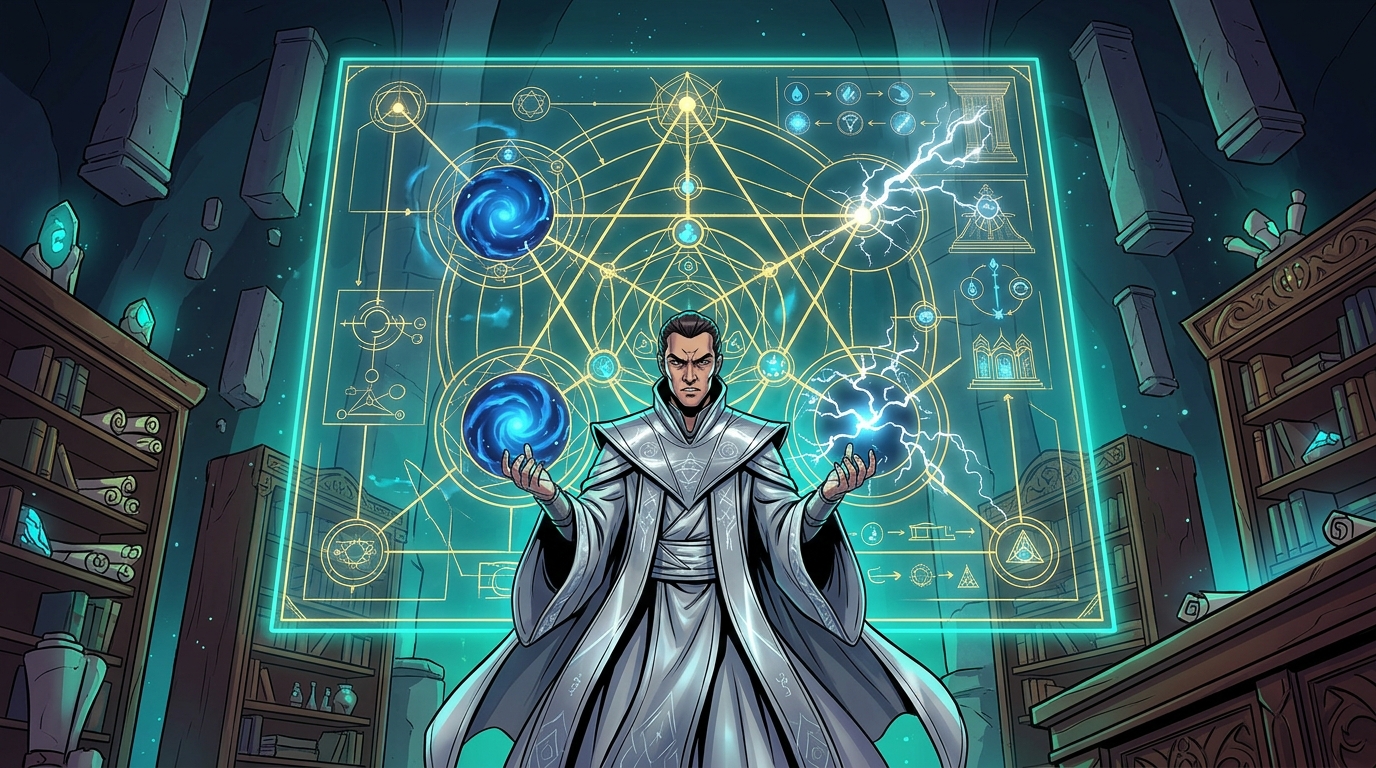
Have you ever been swept away by the elemental powers in Avatar: The Last Airbender or the intricate metal-burning arts in Brandon Sanderson’s Mistborn? These unforgettable worlds feel real because they are built on solid foundations called magic system blueprints. These frameworks act as a map for creators, ensuring every spell and superpower follows a consistent set of rules that keep you glued to the page.
When a story uses a well-crafted blueprint, it transforms magic from a random plot device into a living, breathing part of the world. You get to experience the thrill of discovering how magic is fueled, who can use it, and exactly what happens when those rules are pushed to the limit. Understanding these structures makes your favorite fantasy and sci-fi books even more rewarding to read as you spot the clever patterns behind the wonder.
Every great magic system starts with a single, compelling idea that acts as the foundation for every rule and ritual you create. This central concept, often called a seed crystal, is the unique hook that makes your world stand out from a sea of typical dragon fire and wizard hats. You might decide that magic is fueled by the vibrant colors of the rainbow or perhaps it is triggered by the specific rhythm of a heartbeat. By identifying this core spark early on, you give yourself a clear North Star to follow as you build out the more complex parts of your blueprint. It transforms a scattered collection of cool ideas into a cohesive system that feels intentional and grounded for your readers.
Once you have your seed crystal firmly in place, you can begin to grow the rest of your magical framework around it. This central hook dictates how common magic is in your world and whether your characters view it as a predictable science or a mysterious force. For example, if your magic is based on literal shadows, you automatically know that your characters will be most powerful at dusk or in dim alleyways. This simple starting point helps you avoid the trap of making magic too powerful or inconsistent, which can often pull a reader out of the story. Instead, you create a technical logic that feels satisfying because it all connects back to that one original spark.
Think of this process as the ultimate tool for balancing the wonder of fantasy with the structure of a great plot. When your magic has a clear core, every limitation and cost you design will feel like a natural part of the world rather than an arbitrary rule. You will find it much easier to write tense scenes when you know exactly what your hero can and cannot do based on their specific source of power. This clarity allows you to focus on the joy of storytelling while giving your audience a system they can truly understand and root for. Whether you are a fan of hard magic with strict laws or prefer a more mystical approach, starting with a strong seed crystal ensures your world stays memorable and fun.
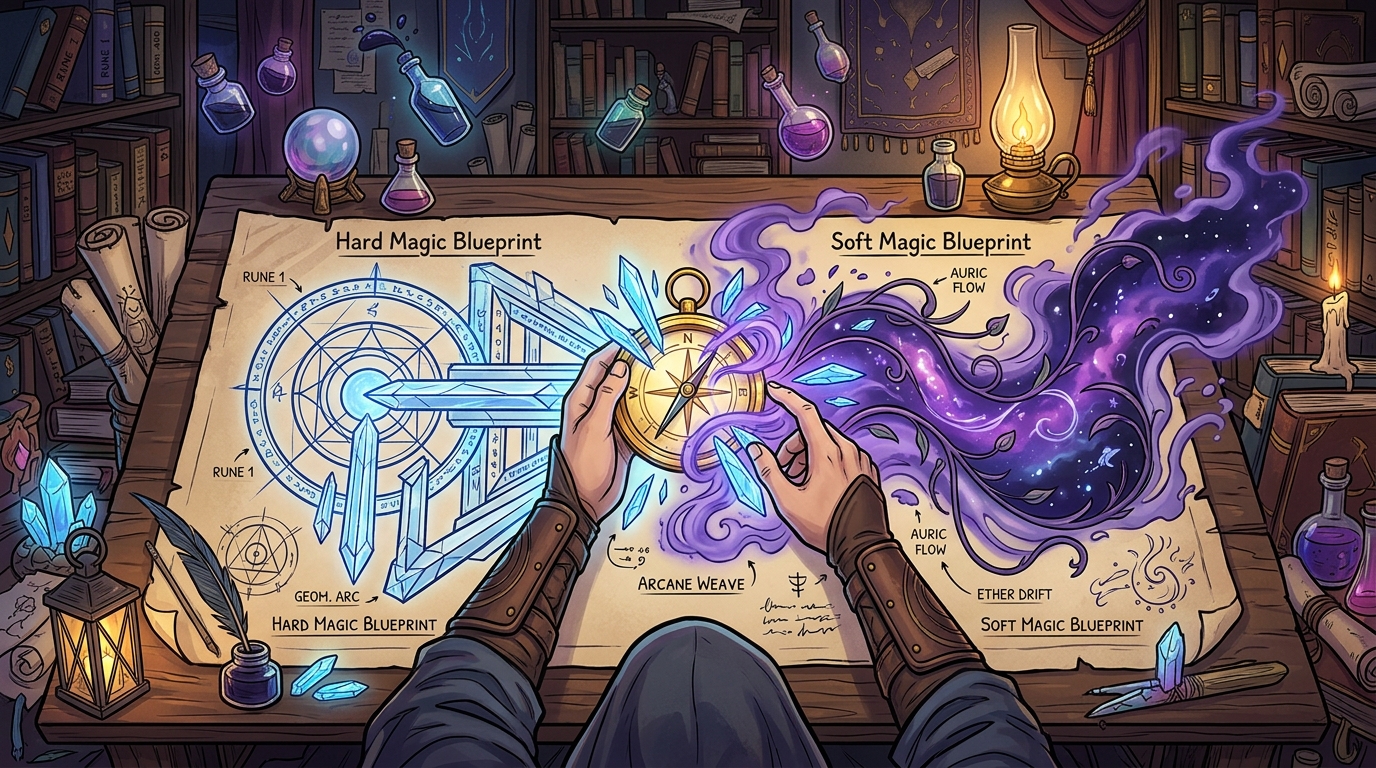
When you sit down to build a fantasy world, one of your biggest choices is deciding how much your readers should understand about your magic. Using professional worldbuilding frameworks, you can map out whether your system is a predictable science or a mysterious force. If you choose a hard magic system, you create clear rules and costs that allow your characters to solve problems using logic. This approach is perfect for readers who love the technical details found in books like the Mistborn series. You get to play the role of a scientist, defining exactly what happens when a character taps into their power.
On the other hand, you might prefer the wonder and awe of a soft magic system where the rules remain hidden in the shadows. This style focuses on the feeling of magic rather than the mechanics, much like the legendary works of J.R.R. Tolkien. By using specific variables, you can decide if your magic is rational and easy to study or nebulous and prone to wild surprises. Finding this balance between hard and soft magic helps you maintain tension in your story because the audience knows exactly what to expect or when to be truly amazed. It is all about choosing the right level of predictability to keep your readers turning the pages.
A magic system blueprint also helps you track how common your magic is, which is a variable called prevalence. You might want every person in your world to have a small spark of power, or perhaps it is a rare gift reserved for a select few. When you define these metrics early on, your worldbuilding stays consistent and feels much more believable to your audience. This structure gives you the freedom to be creative while ensuring your magic never feels like a convenient plot device. It is a fantastic way to turn your big ideas into a solid foundation for your next great adventure.
When you sit down to build your magic system, one of the most important steps is deciding how common magic actually is in your world. This is often called prevalence, and it determines whether your characters see magic as an everyday tool or a rare, terrifying miracle. If everyone can cast a spell to light a candle, your world will feel very different than a story where only one person in a generation holds that power. Think about how the world of Harry Potter feels crowded with magic in every shop, while the magic in a book like A Song of Ice and Fire feels distant and legendary. Getting this balance right helps your readers understand the weight of magic before the first chapter even ends.
Once you know how many people can use magic, you need to decide if that magic actually works the same way every time. This is where reliability comes into play, and it acts as the backbone of your system's logic. A reliable source of magic means your hero can count on their abilities during a fight, much like how characters in many popular fantasy series use their powers with mathematical precision. On the other hand, an unreliable source might fluctuate based on the user's emotions or the alignment of the stars, creating natural tension and unpredictability. When you map out these rules early on, you create a grounded framework that keeps your story feeling consistent and fair to your readers.
Defining these boundaries is what turns a cool idea into a functional blueprint for a fantastic adventure. You want your audience to feel the joy of discovery without getting lost in a world that feels random or messy. By choosing exactly where the magic comes from and how often it appears, you give your plot a set of sturdy rails to run on. This clarity allows you to focus on the excitement of the journey while your readers enjoy a world that feels both magical and real. Whether you are writing your first novel or discovering hidden gems in the genre, understanding these technical building blocks makes every magical moment feel much more rewarding.
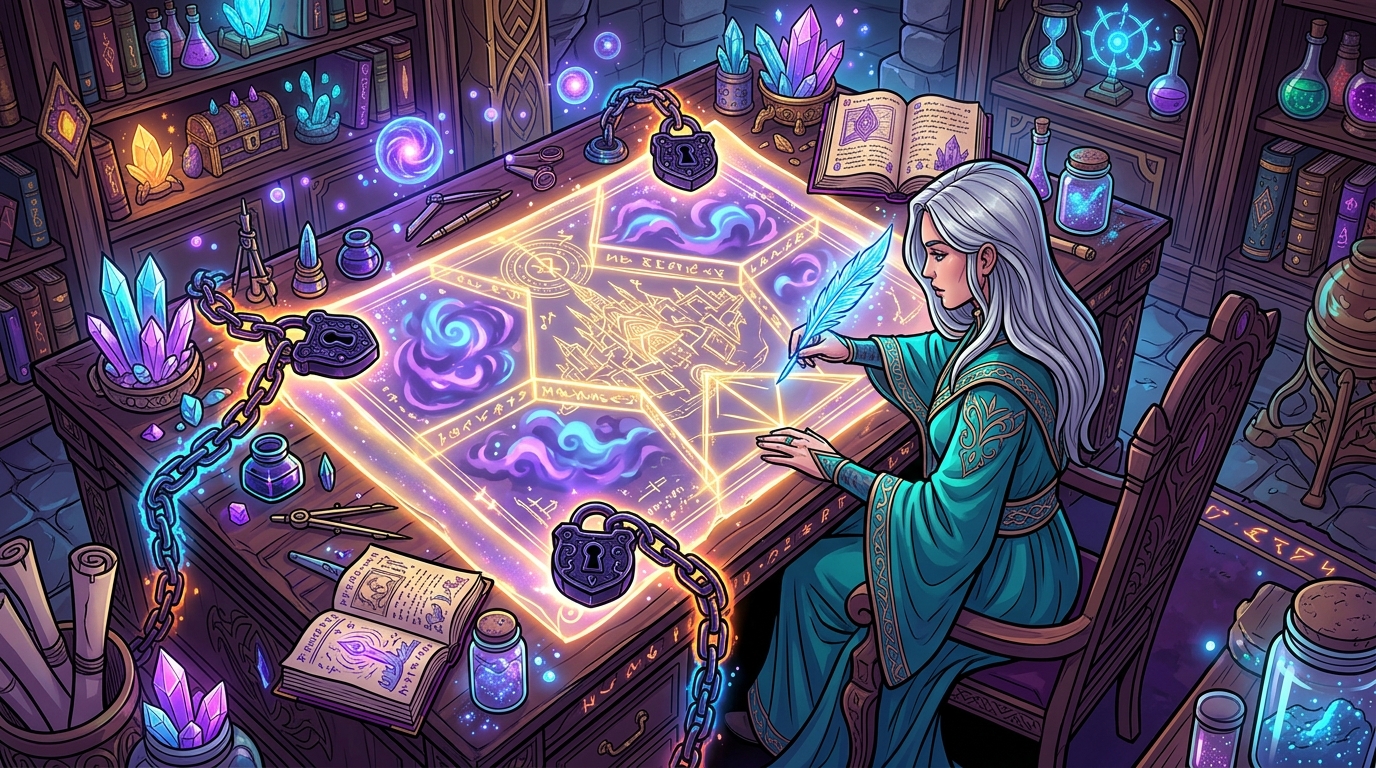
An advanced blueprint takes your worldbuilding to the next level by focusing on the consequences of using magic. Instead of just deciding what your characters can do, you start looking at the costs and limitations that keep them from becoming too powerful. These costs might be physical exhaustion, the loss of precious memories, or even the consumption of rare materials. When your readers see a character weighing the price of a spell against the need to save a friend, the tension in your story naturally skyrockets. It turns every magical moment into a meaningful choice rather than an easy fix for a difficult problem.
Beyond the technical rules, this advanced framework helps you explore how the rest of your world actually feels about magic. You can decide if your mages are treated like honored royalty or if they have to hide their gifts to avoid being feared by the public. This social perception adds layers of conflict that have nothing to do with the strength of a spell and everything to do with human nature. In books like The Witcher series, the way common people react to magic creates a gritty atmosphere that makes the world feel lived in and real. Understanding these social dynamics ensures your magic system is woven into the very fabric of your society.
Using these detailed variables allows you to create a consistent logic that fans of hard magic systems absolutely love to analyze. By setting clear boundaries on prevalence and power, you give your audience a yardstick to measure the stakes of every encounter. You will find that the more limitations you place on your magic, the more creative your characters have to become to solve their problems. This leads to those satisfying moments where a protagonist wins through cleverness rather than raw strength. Building your system with this level of care makes your fantasy world feel like a place that could truly exist.
Building a professional magic system bible turns your scattered notes into a reliable map for your storytelling. By using a structured blueprint, you can clearly define how common magic is in your world and whether your rules are hard or soft. This process helps you move past simple ideas to create a holistic view of how your powers actually function. It ensures that every time a character casts a spell, the reader understands the stakes and the costs involved. You are essentially creating a contract with your readers that makes your world feel solid and believable.
Using these templates allows you to balance the technical side of fantasy logic with the pure joy of creative discovery. You can track important variables like how many people can use magic and what specific limits keep the story grounded. This level of organization prevents plot holes and helps you maintain consistency across an entire series. Whether you are writing a gritty urban fantasy or a sweeping space opera, having a clear set of rules makes the reading experience much more immersive. You get to spend less time worrying about contradictions and more time exploring your imagination.
Finalizing your magic system with a formal blueprint is the best way to prepare for a successful writing journey. These tools take your initial inspiration, like magic powered by color or sound, and turn it into a functional engine for your plot. It is an exciting step that bridges the gap between a fun hobby and a professional craft. Once your rules are set, you can confidently share your unique vision with the world. You will find that a well-defined system actually gives you more freedom to tell amazing stories that readers will love. Beyond the mechanics of power, character arc structures in sci-fi and fantasy novels ensure that the internal growth of your hero is just as compelling as the spells they cast. For those looking to explore the alchemy based fantasy subgenre, these rules become even more vital as magic intersects with the laws of science. You can even expand your horizons beyond the medieval map to discover how different cultures influence the way magic is woven into a narrative.
A magic system blueprint is a framework that acts as a map for your world's supernatural rules. It ensures every spell or power follows a consistent logic so your story feels grounded and real for your readers.
You should begin with a single, unique idea called a seed crystal. This is a core concept, like magic fueled by colors or heartbeats, that serves as your North Star while you build out more complex rules.
Rules transform magic from a random plot device into a predictable part of your world's science. When readers understand the limits of a power, the moments where characters push those boundaries become much more exciting and rewarding.
Yes, because seeing the patterns behind the magic allows you to appreciate the cleverness of the plot. You will find more joy in your reading when you can spot how the author uses specific limitations to create tension.
A seed crystal is the central hook that makes your magic stand out from typical tropes. It dictates the flavor of your entire system, helping you decide everything from how common magic is to how characters perceive its power.
Not at all, because a good blueprint actually makes the discovery of magic more thrilling. It allows you to reveal the inner workings of your world piece by piece, keeping your audience glued to the page as they learn the secrets.