
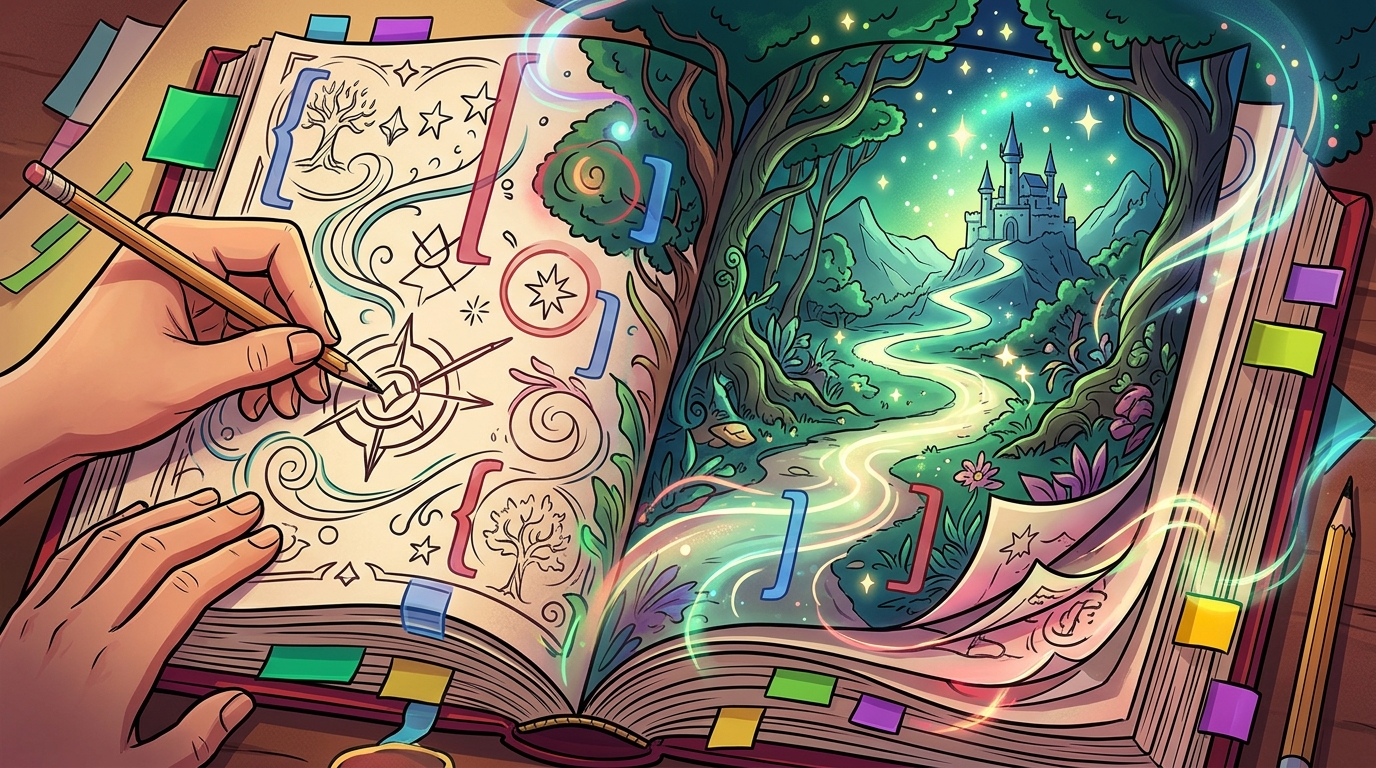
A book annotation guide can turn reading from a passive habit into an active adventure. You can mark key ideas, track character changes, define unfamiliar words, and capture questions that keep you thinking. Whether you are exploring the politics of Dune or the magic of A Wizard of Earthsea, thoughtful notes help you understand and remember each detail.
Annotation can also help you choose which books deserve a place on your shelf. Limited-time deals make it easier to discover new fantasy and science fiction worlds, while a few clear symbols and focused notes can reveal themes, connect ideas, and make every page more rewarding.
Pencils are the most flexible choice for annotating a personal copy. You can underline a key sentence, write a question in the margin, or explain why a character’s choice matters without covering the page. Highlighters make important details easier to find later, but use colors sparingly. You might choose one for themes and another for worldbuilding in a fantasy or science fiction novel. If you are working with a limited budget, one pencil may offer more value than a large collection of supplies.
Sticky notes and tabs let you add ideas without writing on the page. Use a sticky note for a short reaction, prediction, or summary. Use tabs to mark important chapters, character moments, or clues. This method works especially well for borrowed books because you can remove everything when you finish reading. It also helps you track patterns, such as a character’s changing goals or the details that make a world like the one in Dune feel rich and complex.
Digital annotation tools suit readers who use a tablet, phone, or e-reader and want searchable notes. You can highlight passages, add comments, and revisit ideas without carrying extra supplies, although features and costs vary by device or app. Choose digital notes if you often reread, study books, or organize your thoughts by character, theme, and question. For a personal copy, combine pencils, tabs, or highlighters to match your habits. For a borrowed book, use removable tools or a separate notebook.
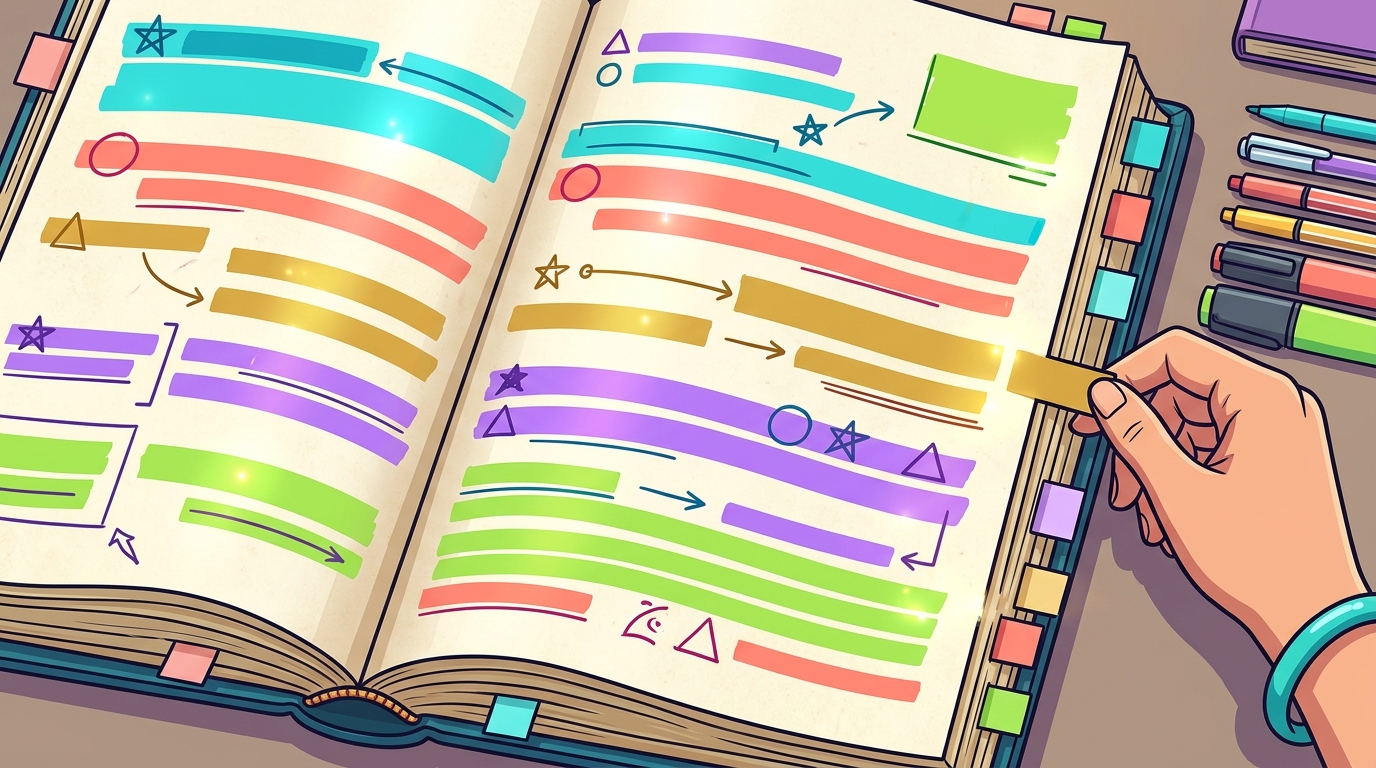
Start with a small set of symbols that you can recognize at a glance. You might use a question mark for something you want to understand, an exclamation point for an important detail, a star for a favorite quote, an arrow for a prediction, and a circled question mark for a confusing passage. Add a few colors if they help, such as yellow for character choices, blue for worldbuilding, and green for themes. Choose marks that fit your reading habits instead of creating a system so detailed that it slows you down.
Your notes should capture your thinking, not repeat the words on the page. When a character makes a surprising choice, write a short note about what it reveals about their goals or fears. If a fantasy map, science fiction technology, or unusual rule shapes the story, note why that detail may matter later. A quick phrase such as “This could explain the conflict” is often more useful than highlighting an entire paragraph.
Resist the urge to highlight every interesting line. Mark passages that change your understanding, raise a question, support a theme, or make you want to return later. You can also write a one-sentence summary at the end of each chapter to track key events and predictions. As you read, a simple annotation system helps you notice patterns in characters, themes, and new worlds without taking away from the joy of the story.
Track character choices, relationships, and turning points with short notes that explain what changes and why. You might write, “She chooses duty over safety,” or “Their trust shifts after this scene,” then add a page number for later reference. For recurring themes, use a simple symbol or color for ideas such as power, freedom, grief, or belonging. In Dune, a note like “Who benefits from this prophecy?” can help you notice how belief and control shape the story. These small observations make character growth easier to follow without requiring you to explain every detail.
Worldbuilding notes help you understand the rules that make a fantasy or science fiction setting work. Mark the first appearance of a magic ability, technology, custom, place, or important rule. Then record what the story says it can and cannot do. For example, in A Wizard of Earthsea, you might note that names carry power. In Project Hail Mary, you could track each new scientific limit or discovery. You can also write questions such as, “Why is this city forbidden?” or “What happens if this rule is broken?” These questions preserve your curiosity while giving you a clear record of clues to revisit.
Keep your annotations light enough to support discovery instead of turning reading into homework. A quick note such as “This detail may matter later,” “Same symbol as chapter two,” or “Possible connection to the missing heir” helps you spot patterns without guessing every reveal. When the answer arrives, add a brief note explaining how the earlier clue fits, then enjoy seeing the story come together. If a limited-time deal helps you pick up the next book in a series, your notes can make it easier to return to its characters, rules, and earlier clues.
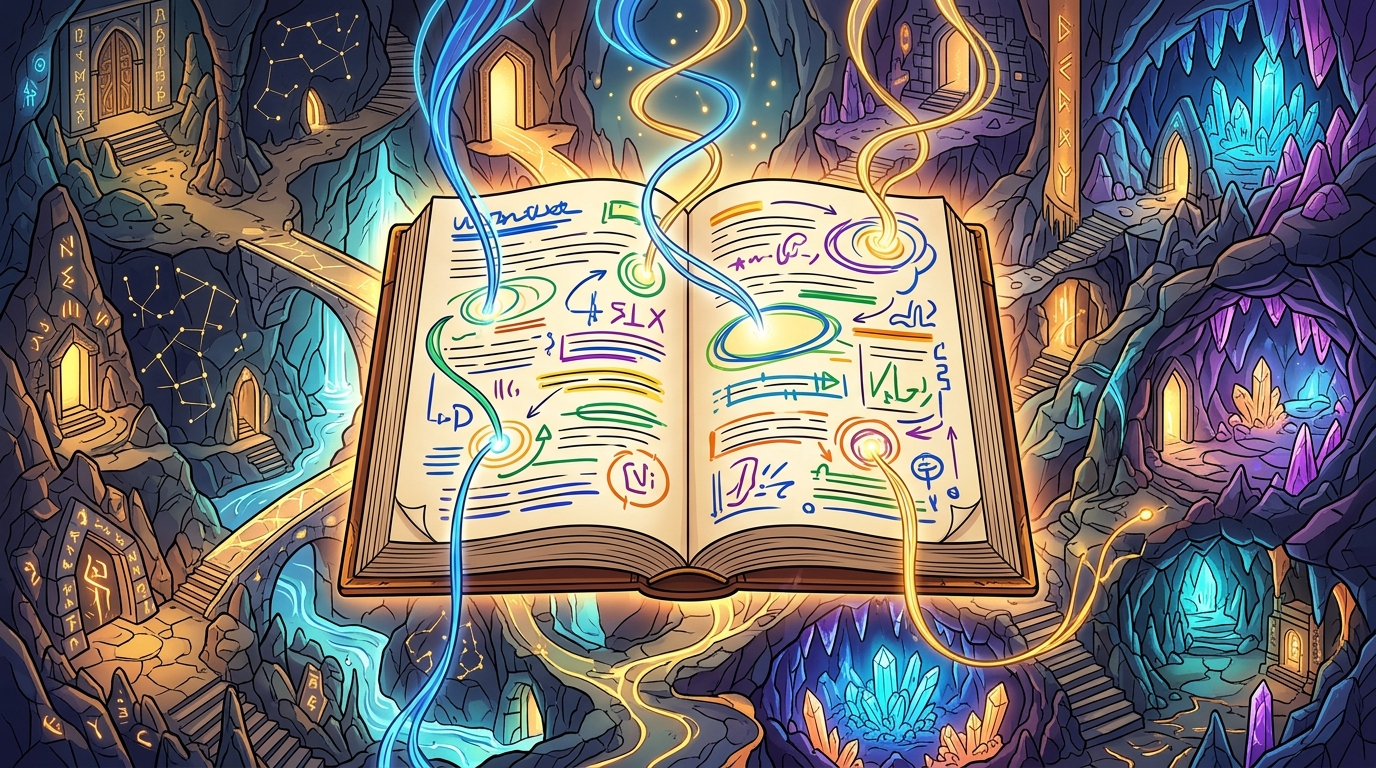
After each chapter, pause for a quick review of your notes. Summarize the key events in a few sentences, then mark the character choices, new clues, or worldbuilding details that seem important. Return to your earlier predictions and compare them with what you know now. Note which ideas changed and why. This simple step helps you spot patterns in a fantasy quest, a science fiction mystery, or a character’s changing goals. It also turns your book annotation guide into a record of how your understanding grows.
Keep page references beside your strongest observations so you can find them again for a book club discussion or school writing assignment. You might note the page where a hero makes a difficult choice, a new world rule appears, or a hidden connection comes to light. After finishing the book, review these notes to decide which themes and characters you want to explore further. Your annotations can guide your next reading choice by showing whether you want another epic adventure, a thoughtful space journey, or a story with similar worldbuilding. When a discounted or limited-time title matches those interests, your notes make it easier to choose your next book with confidence.
Book annotation is a flexible reading habit, not a test with one correct method. You can underline a striking line, write down a question, or mark a page where a character makes an important choice. Start with a pencil and a few simple notes about themes, character choices, or details that shape the world. In a fantasy novel such as A Wizard of Earthsea or a science fiction story such as Dune, these small marks can help you notice patterns, clues, and changes you might otherwise miss.
Your approach can change with every book, and that freedom is part of the fun. You might annotate heavily while exploring a detailed world, then make only a few notes during a fast-paced adventure. Whether you find your next story on your shelf or through a limited-time deal, let curiosity guide you instead of trying to mark every page. With practice, annotation can turn each fantasy, science fiction, and genre read into a deeper, more personal discovery.