

A great story can have dragons, starships, or a mystery worth chasing, but if the pace feels off, you may stop reading before the adventure begins. This novel pacing guide helps you control how quickly your plot, character changes, tension, and key reveals unfold. You’ll learn when to slow down for emotion and world-building, and when to speed up so every page pulls you forward.
Whether you’re shaping a tense thriller, a sweeping fantasy quest, or a science fiction journey, the right rhythm keeps readers invested. You’ll find practical ways to spot slow scenes, strengthen turning points, and build momentum without rushing the moments that matter. With a clearer pace, your manuscript and every exciting world you create can become much harder to put down.
Novel pacing is your sense of how quickly a story moves and changes. It shapes the plot, character growth, new information, and rising tension. It also determines whether a scene feels urgent or calm. A novel does not need nonstop action to keep you turning pages. A quiet conversation can reveal a secret or change a relationship. In a fantasy novel such as A Wizard of Earthsea, moments of travel and reflection give larger dangers more weight.
The right rhythm depends on your genre, audience, narrative voice, and story goals. A thriller may use short scenes and quick decisions, while a romance may slow down to explore trust and emotional change. Science fiction can take time to explain an unfamiliar world, but each detail should help you understand the conflict or feel curious about what comes next. If your opening feels slow, look for places where you can create a question, introduce a problem, or show what your main character wants.
Strong pacing usually builds through clear movement rather than constant speed. You can begin with a steady opening, raise the tension as the character faces greater risks, and give the ending enough space to deliver a satisfying result. Faster scenes can make a crisis feel immediate, while slower scenes can deepen emotion and let important discoveries land. Use this novel pacing guide as a flexible tool, then adjust the rhythm until every part of your story supports the experience you want readers to have.
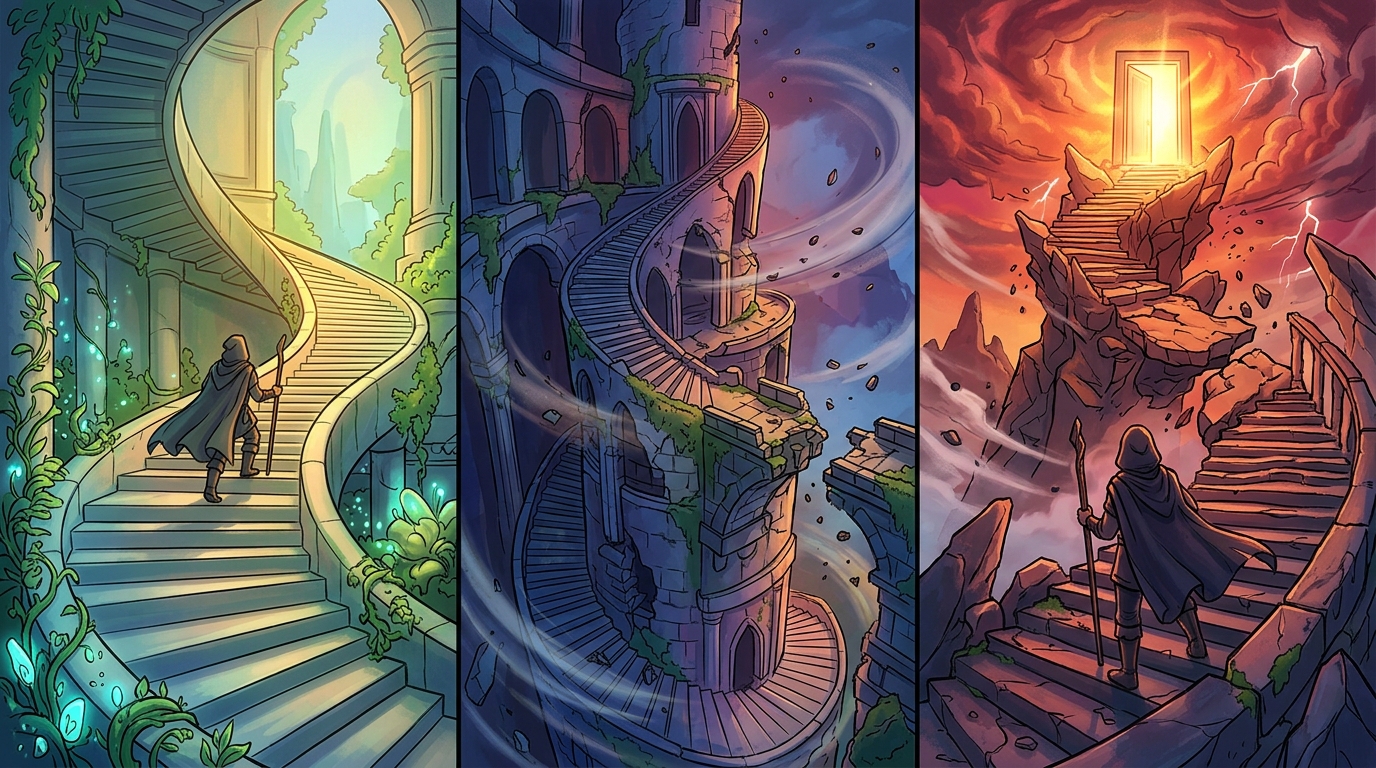
A useful novel pacing guide starts in the protagonist’s normal world, where you show what life looks like before anything changes. Keep this opening focused. Give readers enough detail to understand the character’s routine, desire, and weakness without delaying the story’s central problem. The inciting problem should disrupt that routine and force a response, such as a dangerous discovery, an unexpected attack, or a chance the protagonist cannot ignore. From there, rising complications should make each choice harder and increase what the protagonist could lose. If the opening feels slow, look for places where you can shorten description or backstory, then bring the main problem forward.
The midpoint should do more than add another event. It needs to change the story’s direction. You might reveal that an ally has lied, turn a victory into a trap, or show that the protagonist’s original goal will not solve the real problem. After this reversal, pressure should build through setbacks, difficult choices, and growing personal risks, while the protagonist’s beliefs or desires begin to shift. The crisis is the moment when success seems impossible and the character must decide what they are truly willing to sacrifice. This pattern works across genres, whether you are building a fantasy quest like The Hobbit or a science fiction survival story like The Martian.
At the climax, your protagonist should take decisive action based on everything they have learned rather than simply react to the final threat. Make the choice matter by connecting it to the central conflict and showing the cost of success or failure. The resolution then gives readers a clear sense of what has changed in the protagonist’s life, relationships, or view of the world. You do not need to make every scene fast. Quiet reflection can deepen tension when it follows a major turn or prepares the next one. Aim for a steady pattern of change, so each section moves the story forward, raises the pressure, or reveals a new reason to keep reading.
A quiet opening can still move quickly when it gives you a question you need answered. In your novel pacing guide, focus on what changes beneath the calm surface. A character might notice a forbidden mark, receive an impossible message, or want something they cannot safely pursue. In fantasy, a small act of defiance can create tension before the larger world appears. Science fiction might begin with a routine system check that reveals a hidden threat. The scene does not need explosions, but it should make you wonder what happens next.
Strong first chapters also avoid spending too long on information the reader does not yet need. Excessive backstory, lengthy descriptions, delayed stakes, and scenes where nothing changes can make an opening feel stuck. Instead, reveal the past when it affects the character’s present choice, and make each description support the mood, setting, or conflict. You can test every scene by asking what the character wants, what gets in the way, and what is different by the end.
A stronger opening often ends with a clear shift rather than a loud surprise. Your protagonist might choose to hide the truth, enter a dangerous place, trust the wrong person, or refuse an order that keeps them safe. That decision creates forward motion while leaving room for a slower, thoughtful style. Whether you are building a world like the one in A Wizard of Earthsea or opening with a personal mystery like The Left Hand of Darkness, let curiosity and desire pull the reader into the next chapter.
A novel pacing guide helps you shape the reader’s sense of movement from scene to scene. Short scenes, sharp dialogue, and quick transitions can create urgency, while longer reflection, description, and quiet conversations give important moments room to land. A slow opening is not always a problem, but it should introduce a question, desire, or conflict that makes you want to continue. As the story rises, let each scene change the character’s situation, reveal useful information, or increase the pressure. Near the ending, tighten the rhythm so the final choices feel earned and satisfying.
Genre sets reader expectations, but you still have room to create your own rhythm. Thrillers such as The Da Vinci Code often use brief chapters, action, and cliffhangers, while romance novels such as Pride and Prejudice may slow down for dialogue, attraction, and emotional reflection. Literary fiction can spend more time on memory and inner change, as in Beloved, while fantasy and science fiction often need description and explanation to make new worlds clear. In The Hobbit, discovery and danger work together, and in Dune, political conflict gives the world-building a strong purpose. The key is to match scene length and detail to what readers need to feel, understand, or fear next.
When you build a fantasy or science fiction setting, reveal it through character conflict instead of pausing the story for long explanations. Show a strange custom during an argument, introduce new technology while someone faces a difficult choice, or make a magical rule matter at the worst possible moment. If a scene contains only description, ask whether you can add a goal, obstacle, or emotional turn. If every scene is intense, add a brief pause for reflection so the next burst of action has more impact. Read through your draft with attention to transitions, and make sure each scene creates enough curiosity to pull you into the next one.
Use this novel pacing guide as a diagnostic tool during revision, not as a formula you must follow. For each scene, write down your character’s goal, the main conflict, the outcome, the tension level, and any information the reader learns. If several scenes have the same goal, mood, or result, combine them or cut the weaker one. A slow opening often improves when you begin closer to the first meaningful choice, while a rushed ending may need more space for consequences and emotional change.
Pay close attention to how each scene changes the story. You can compress repetitive travel, explanations, or conversations by entering later, leaving earlier, and keeping only the lines that create conflict or reveal something new. Expand moments that deserve emotional weight by adding a character’s physical reaction, private thoughts, or a difficult decision rather than adding empty description. Vary sentence rhythm as well. Use shorter sentences during danger and longer ones during reflection, so the prose supports the mood.
Structural tools can help you spot uneven pacing without controlling every chapter. Mark major turning points using the three-act structure, or compare key events with Save the Cat beat percentages to see whether your opening, midpoint, and climax arrive too early or too late. Treat these guides as flexible checkpoints, since a quiet romance, a tense thriller, and a sprawling fantasy novel will need different rhythms. Your goal is steady escalation, with rising questions, stronger choices, and a satisfying ending that feels earned.
An effective novel pacing guide helps you give each scene the space it needs without letting the story lose direction. A quiet opening can work when it introduces the world, characters, and problem with a clear sense of promise, but too much setup may delay the story’s real movement. As you revise, ask what changes by the end of each scene. Does the protagonist gain information, face a new choice, or lose an advantage? If nothing shifts, you may need to shorten the scene, add pressure, or move the important moment closer to the start.
Your pacing should also match your genre and the experience you want to create. A thriller may rely on short chapters and fast turns, while a fantasy novel may slow down to reveal a new culture or magical system, as seen in the gradual world-building of The Hobbit. Science fiction such as Project Hail Mary balances technical discovery with urgent problems, giving readers time to understand each breakthrough before raising the stakes again. Read your draft aloud and notice where your attention fades. Then vary sentence length, scene intensity, and reflection to restore momentum.
Strong pacing leads to an ending that feels earned rather than rushed. The final sections should resolve the main external conflict while showing how the protagonist has changed, whether they gain courage, accept loss, or choose a different path. Make sure the climax grows from earlier choices and answers the central question your story has raised. When the last conflict ends, allow enough space for the emotional result to land, so readers can enjoy both the outcome and the journey that made it matter.
A novel pacing guide helps you shape the reader’s experience from the first page to the final scene. Start with enough detail to make your world, characters, or central problem feel real, but avoid delaying the story with information that does not create interest. A slower opening can work in fantasy or science fiction when it builds curiosity, as long as you give readers a clear question, goal, or change to follow. Your pace should fit the story, since a quiet character moment and a tense space battle can both move the plot forward in different ways.
As the novel continues, let each major event increase the pressure and reveal something new. Shorter scenes, sharper choices, and rising risks can create urgency, while reflection and dialogue give readers time to understand what those changes mean. Before the ending, check that the final conflict grows from the choices your characters have made and receives enough space to feel satisfying. When you revise, read for places where nothing changes, then trim, combine, or deepen those sections so your story keeps moving without losing the wonder of discovering a new world.