
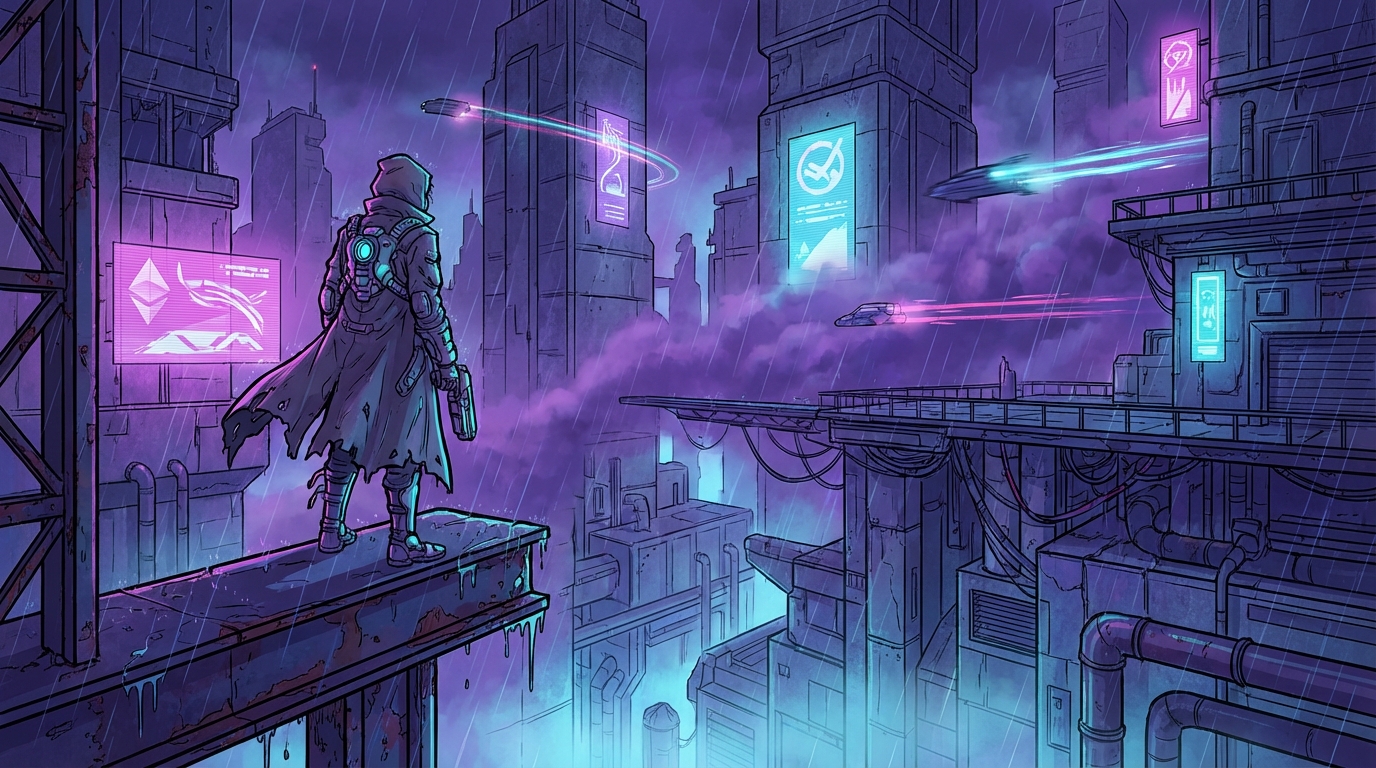
Exploring worlds where everything has gone wrong offers a strange thrill. Dystopian sci-fi books pull you into dark futures that feel dangerously close to reality. You get to experience the excitement of survival without actually being in danger. These stories often ask big "what if" questions about technology and government control. The setting grabs your attention immediately, whether it is a high-tech city or a ruined wasteland.
These novels deliver fast-paced action that keeps you turning pages. You follow brave characters who stand up against impossible odds to fight for their freedom. Books like The Hunger Games mix intense battles with smart observations about power and media. Reading these adventures makes you think deeply about the direction our own society is heading. They show how ordinary people can make a difference even when the world seems hopeless.
Two specific titles stand out when you start exploring the roots of dystopian sci-fi. George Orwell's 1984 introduces you to the terrifying concept of Big Brother and a government that watches your every move. In this bleak world, independent thought is treated as a crime against the state. Aldous Huxley offers a different perspective in Brave New World by showing a society controlled through pleasure rather than fear. You will find that these foundational texts set the stage for the entire genre.
Reading these classics helps you understand the origins of modern tropes like surveillance states and genetic modification. Orwell paints a picture of a gritty reality where history is rewritten to suit the needs of the party. Huxley takes you into a clean and efficient future where citizens are bred for specific roles. Both authors challenge you to think about the cost of stability and the value of free will. Even decades later, their predictions feel surprisingly relevant to our current world.
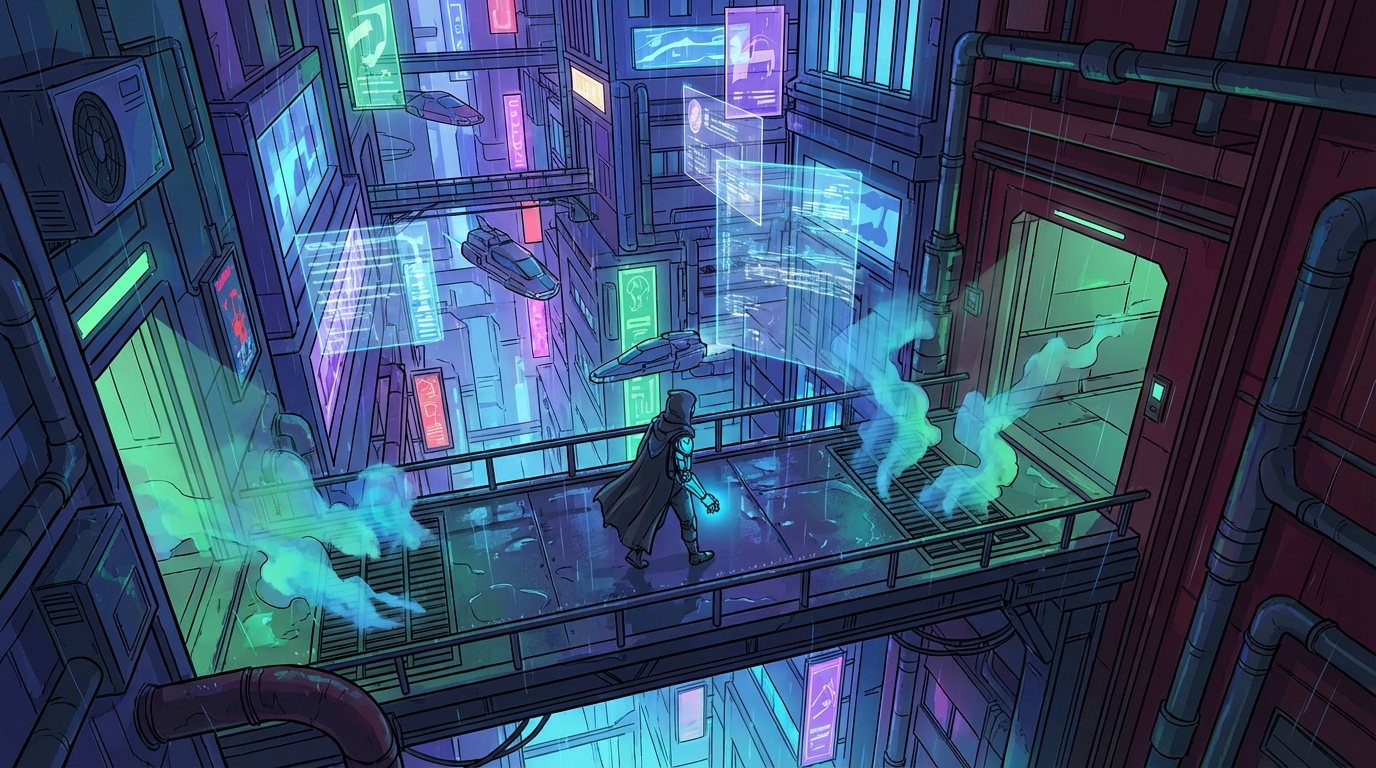
Cyberpunk drops you into a world where advanced technology clashes with gritty street life. These stories usually take place in sprawling mega-cities illuminated by endless neon signs and soaked in acid rain. A perfect place to start is William Gibson's Neuromancer, which helped define this exciting style of storytelling. In this book, you follow a washed-up computer hacker navigating a dangerous city dominated by powerful corporations. The setting feels incredibly futuristic yet disturbingly familiar because it highlights the gap between the wealthy elite and the struggling underclass.
Cyberpunk novels often replace traditional governments with massive global companies that care only about profit. Ordinary people in these stories must use their wits and hacked gadgets just to survive corporate rule. Artificial intelligence also plays a huge role, often blurring the line between what is human and what is machine. Books like Neal Stephenson's Snow Crash explore these ideas by mixing digital virtual realities with real-world danger. These narratives force you to question how much control technology should really have over your daily life.
The heroes in these adventures are rarely shining knights in armor. Instead, you will cheer for gritty outcasts and streetwise rebels who operate in the shadows of society. This high-tech, low-life atmosphere creates a thrilling backdrop for fast-paced mysteries and action scenes. If you enjoy detective stories mixed with virtual reality and cybernetic enhancements, this is the section of the bookstore for you. These neon-lit worlds offer a wild ride that keeps you turning pages late into the night.
You might notice a distinct shift in pace when you pick up these modern dystopian novels. Instead of quietly watching a society crumble, you are thrown directly into an arena to fight for your life. Suzanne Collins popularized this intense style with The Hunger Games, where teenagers are forced to battle until only one remains. These stories usually focus on a single young hero who decides they have had enough of the cruel rules. It is thrilling to watch them turn a simple game of survival into a full-scale revolution against the people in charge.
If you want to take that rebellion to the stars, you should absolutely read Red Rising by Pierce Brown. This series takes the concept of a rigid caste system and applies it to a mining colony on Mars. You follow the main character Darrow as he infiltrates the elite Gold class to tear the corrupt society down from the inside. The action is fast and intense, but the emotional stakes are just as high for every character involved. These novels prove that even the most powerful empires can crack when people refuse to stay in their assigned places.
These stories are addictive because of the strong sense of hope they provide amidst the darkness. You get to cheer for the underdog who stands up against impossible odds and actually manages to win. Unlike the often bleak endings of older classics, these modern tales promise that change is possible if you are brave enough to fight for it. Whether the setting is a battle in a forest arena or a war across different planets, the core message remains the same. You walk away from the book feeling empowered and ready to question the world around you.
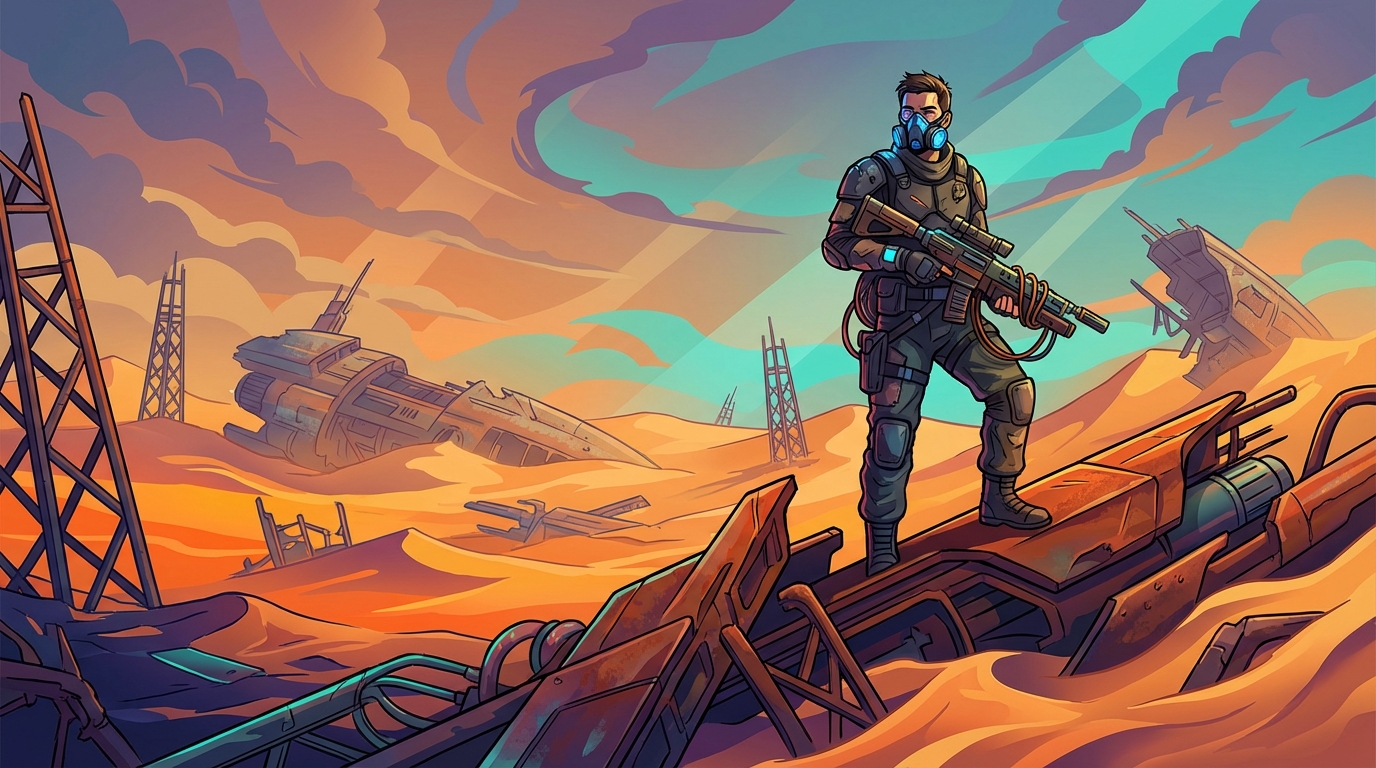
Sometimes the scariest future isn't one with a controlling government, but one with no government at all. In post-apocalyptic fiction, you witness what happens after the world as we know it ends. These gritty stories drop you into harsh wastelands where civilization has crumbled into dust and rust. You watch characters scavenge for food, water, and safety in environments that want to kill them. It is a thrilling test of human endurance that asks how far you would go to survive.
A classic example of this genre is Cormac McCarthy’s The Road, which follows a father and son traveling through a gray and ash-covered world. If you prefer a story about preserving culture, Station Eleven by Emily St. John Mandel offers a hauntingly beautiful take on life after a global flu pandemic. You might also enjoy Parable of the Sower by Octavia E. Butler, where a young woman builds a new community amidst societal collapse. These novels show that survival often requires finding hope and purpose in the darkest of times. Each story challenges you to think about what really matters when modern conveniences disappear.
Reading about these desperate struggles offers a unique kind of excitement that keeps you turning pages late into the night. You get to imagine your own survival strategy without actually facing the dangers of a radioactive desert. These tales remind you to appreciate the safety and comfort of your current reality. As you finish these intense journeys, you will likely feel a sense of relief when you close the book. The resilience of these characters sets the perfect stage for understanding why we love dystopian fiction.
Dystopian sci-fi offers a vast collection of stories that stretch far beyond simple warnings about the future. You have explored everything from the rigid thought control in 1984 to the high-tech chaos of Neuromancer. These books challenge you to think deeply about freedom while keeping you on the edge of your seat with thrilling action. Whether you prefer the philosophical questions of classic literature or the fast-paced battles of Red Rising, there is a dark future waiting for you to explore. This genre does more than just predict doom because it celebrates the human spirit fighting against the odds.
Reading these intense stories allows you to experience dangerous worlds safely from your favorite reading chair. You get to walk alongside brave heroes who stand up to powerful corporations and oppressive governments. The best dystopian novels act as a mirror to our own world and encourage us to value our choices. Grab a copy of The Hunger Games or Brave New World and see what all the excitement is about. Every page you turn invites you into a conversation about where humanity is heading and how we can steer it toward the light.