
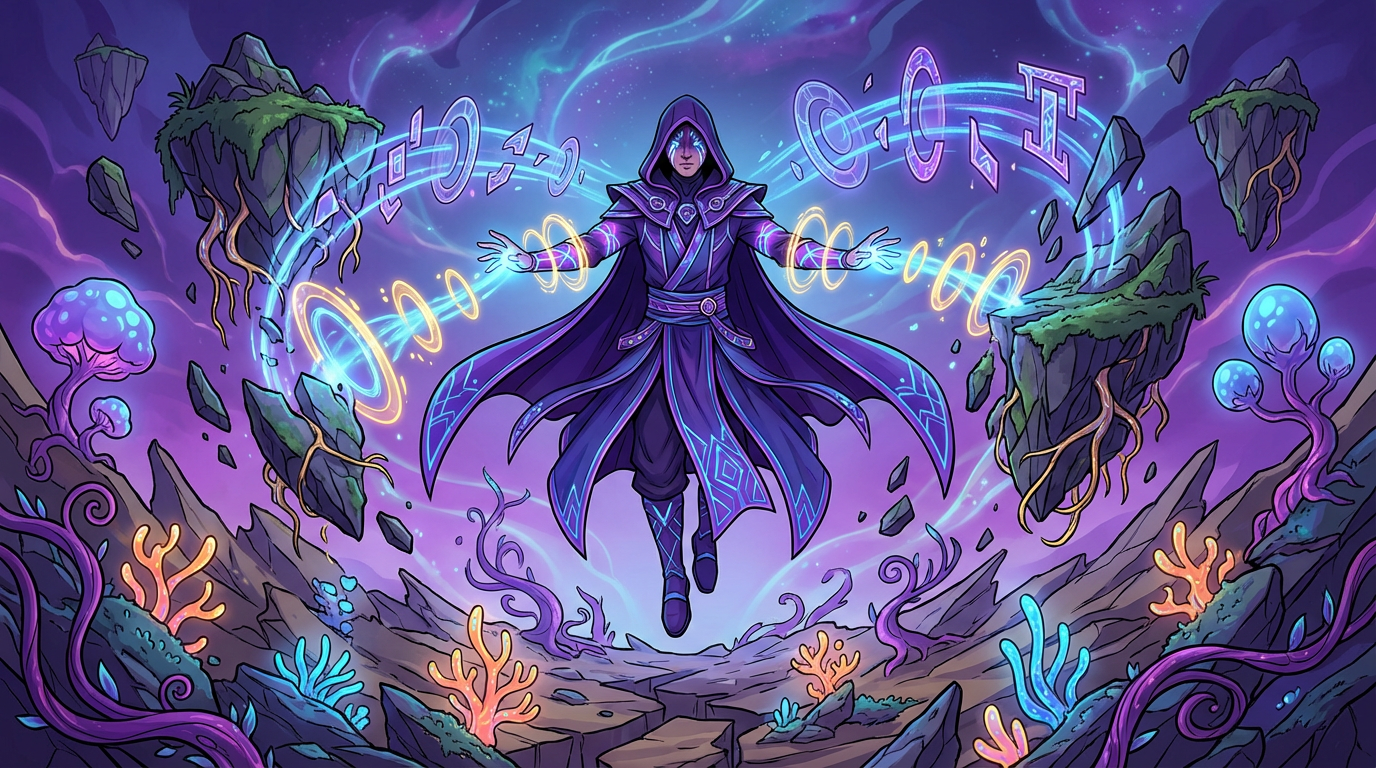
You likely grew up reading stories where wizards waved wands to fix everything. While those classics are great, modern fantasy offers something deeper. Authors now build magic that acts like a natural part of the world instead of a convenient tool. It is no longer just about chanting words to make fire appear. Now, you explore complex systems involving metals, light, or memories. This makes discovering a new universe feel fresh every time you open a book.
The best stories happen when magic has strict rules and heavy costs. If a hero can snap their fingers to fix every problem, the adventure gets boring fast. You want to see characters struggle and get creative with limited tools. Writers like Brandon Sanderson show that what magic cannot do is often more interesting than what it can. When a character pays a steep price to use their power, you feel their desperation. This creates real tension that keeps you reading.
A great system shapes the culture of the book you are reading. Imagine a world where magic serves as currency or determines your social status. These details make the setting feel lived-in and authentic. You stop thinking of magic as a superpower and start seeing it as a way of life. It changes how characters interact, fight, and survive. Discovering these connections is one of the best parts of reading fantasy.
Think of magic systems as sitting on a scale between science and mystery. On one end, you have Hard Magic systems that function like physics with strict laws. Brandon Sanderson uses this style well, especially in his Mistborn series where burning specific metals fuels specific powers. When you read these stories, you know exactly what the characters can do and what it costs them. This allows you to solve puzzles alongside the heroes because the magic follows clear logic.
On the other side lies Soft Magic, which relies on wonder rather than a rulebook. You see this in J.R.R. Tolkien’s The Lord of the Rings, where Gandalf’s powers remain vague. The author uses magic to create problems or set a mood, but rarely to fix everything neatly. This approach keeps the world vast and unpredictable because you never know what might happen next. It focuses less on spell mechanics and more on the feeling of the scene.
Most fantasy stories fall somewhere in the middle. Patrick Rothfuss balances this in The Name of the Wind by mixing scientific sympathy with mysterious naming magic. You get the satisfaction of learning rules while keeping some secrets hidden. Understanding where a book lands on this scale helps you find the adventure you want. Whether you prefer solving logical puzzles or getting lost in unexplained wonders, there is a system waiting for you.
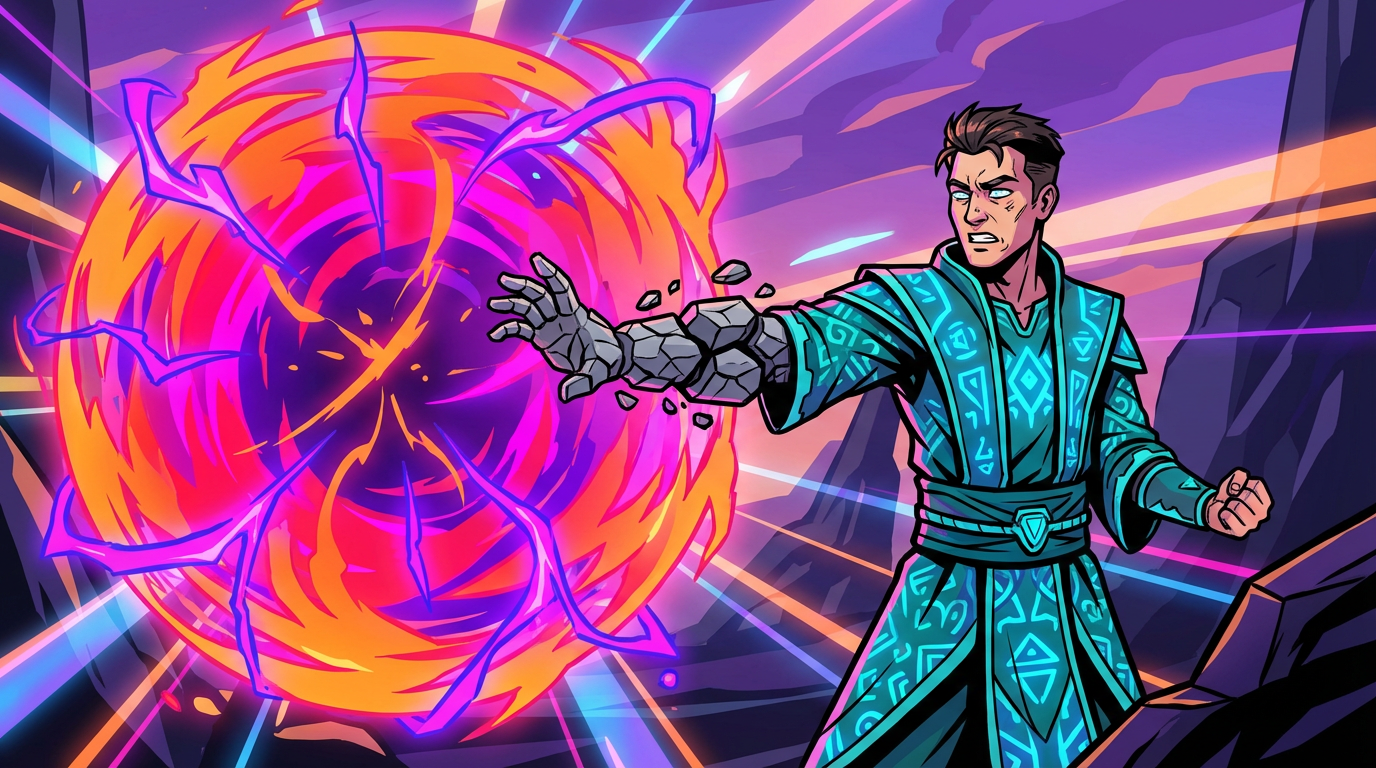
Imagine a hero who can instantly solve every problem they face. While that might sound cool, it makes for a boring story. The best magic systems work because they have strict limits. These boundaries force the protagonist to think creatively instead of blasting through obstacles. When magic has a heavy cost or a specific weakness, you feel the tension in every scene.
Authors use this technique by giving characters specific tools. In the Mistborn series, characters must consume metals to use their powers. This means they can run out of fuel at the worst times. This limitation forces them to be smart about when and how they use magic during a fight. You cheer not because they are powerful, but because they are clever enough to survive. Watching a character outsmart a villain with a weak power is more satisfying than a contest of strength.
Great stories also attach personal costs to magic usage. If casting a spell drains a hero's energy or shortens their life, they must decide if the outcome is worth the sacrifice. This creates meaningful conflict and reveals who the character is. You learn more about a hero when they choose to accept a terrible cost to save someone else. These constraints turn magical abilities into complex plot points rather than convenient tools.
Imagine living in a city where merchants use teleportation circles instead of ships. When magic becomes a resource like coal or electricity, it changes how people earn a living. You might see characters trading bottled storms for rare metals or hiring wizards to build skyscrapers. This integration makes the setting feel real because the economy relies on spells as much as gold. Authors like Max Gladstone in the Craft Sequence show this by treating magic like a legal and financial system.
Beyond the marketplace, a deep magic system often dictates social hierarchy and religious beliefs. Those who control the magic often hold political power, while those without it might be oppressed. In N.K. Jemisin’s The Broken Earth trilogy, the ability to control earthquakes makes users both essential tools and feared outcasts. These cultural details explain why characters act the way they do. It transforms magic from a simple weapon into a force that defines history and tradition.
A unique magic system does more than add sparks to a fight scene. It weaves itself into the world and shapes the people who live there. When you see characters struggle with the costs of their power, the story feels grounded. These limitations force heroes to get creative instead of fixing everything instantly. This depth turns a simple fantasy tale into a memorable journey.
Finding a book with clever magical rules is one of the best parts of being a fantasy fan. You get to solve puzzles alongside the protagonist and guess how they will use their skills. Whether it is burning metals for strength or drawing power from light, these mechanics make every chapter exciting. Great magic systems make the setting demand your attention. Keep an eye out for these creative worlds because they often hold the most rewarding adventures.