
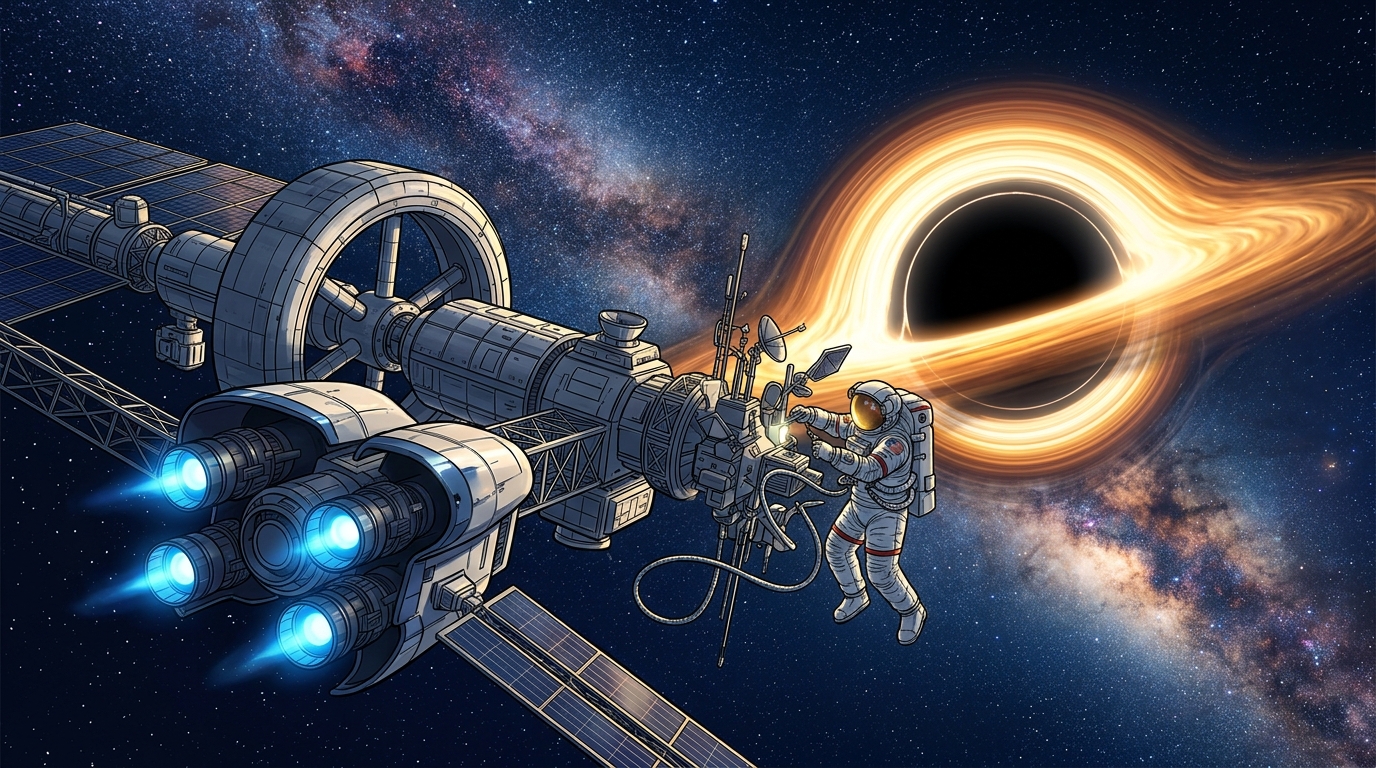
Imagine looking up at the moon and knowing that, for the first time in over fifty years, people have actually been back there to see it up close. We have officially moved past the era of "someday" and into a time where space travel realism is part of our daily lives. With the recent success of crewed missions beyond our orbit, the dream of living and working among the stars is finally becoming a practical reality rather than just a movie plot.
You no longer have to be a billionaire or a government test pilot to feel the excitement of this new frontier. Reusable rockets have made reaching the stars much more affordable, leading to the launch of private stations where people can actually stay and work. Whether you are a fan of grounded sci-fi novels or just curious about the future, these real-world breakthroughs are making the fantastic worlds we love to read about feel closer than ever.
When you explore a hard science fiction novel, you are not just reading a story about stars, you are seeing how authors solve the puzzles of real physics. Instead of magical "warp drives" that ignore the laws of nature, these books feature ships that must deal with the reality of constant acceleration and the crushing force of gravity. You will often see vessels designed like vertical towers where "down" is actually toward the engines, creating gravity simply by moving forward. This attention to detail makes the stakes feel so much higher because you know the characters are facing the same physical limits we see in modern missions like Artemis II. It is a thrilling way to experience space because the danger feels authentic and the solutions feel earned.
The way these stories handle the vast distances between planets is where the science truly shines for readers. Authors like James S.A. Corey in The Expanse or Andy Weir in Project Hail Mary show us that traveling to another world is a marathon, not a sprint. You get to see how crews manage limited oxygen, recycle every drop of water, and protect themselves from the silent threat of deep space radiation. These practical challenges turn the ship itself into a living character that the heroes must keep healthy to survive. Finding a great deal on these books is like getting a front row seat to the future of human engineering without leaving your couch.
Comparing how different authors tackle the speed limit of the universe is one of the best parts of being a sci-fi fan. Some creators focus on massive generation ships that take centuries to reach their destination, while others explore the intense physical toll of high speed burns. You can find incredible stories where the ship design is based on actual concepts like ion thrusters or solar sails that are being tested in real life today. It is an exciting time to be a reader because the line between the ships in our favorite novels and the commercial modules launching into orbit is getting thinner every day. Exploring the stars through these realistic worlds helps us appreciate the true scale of the cosmos while enjoying a fantastic adventure.
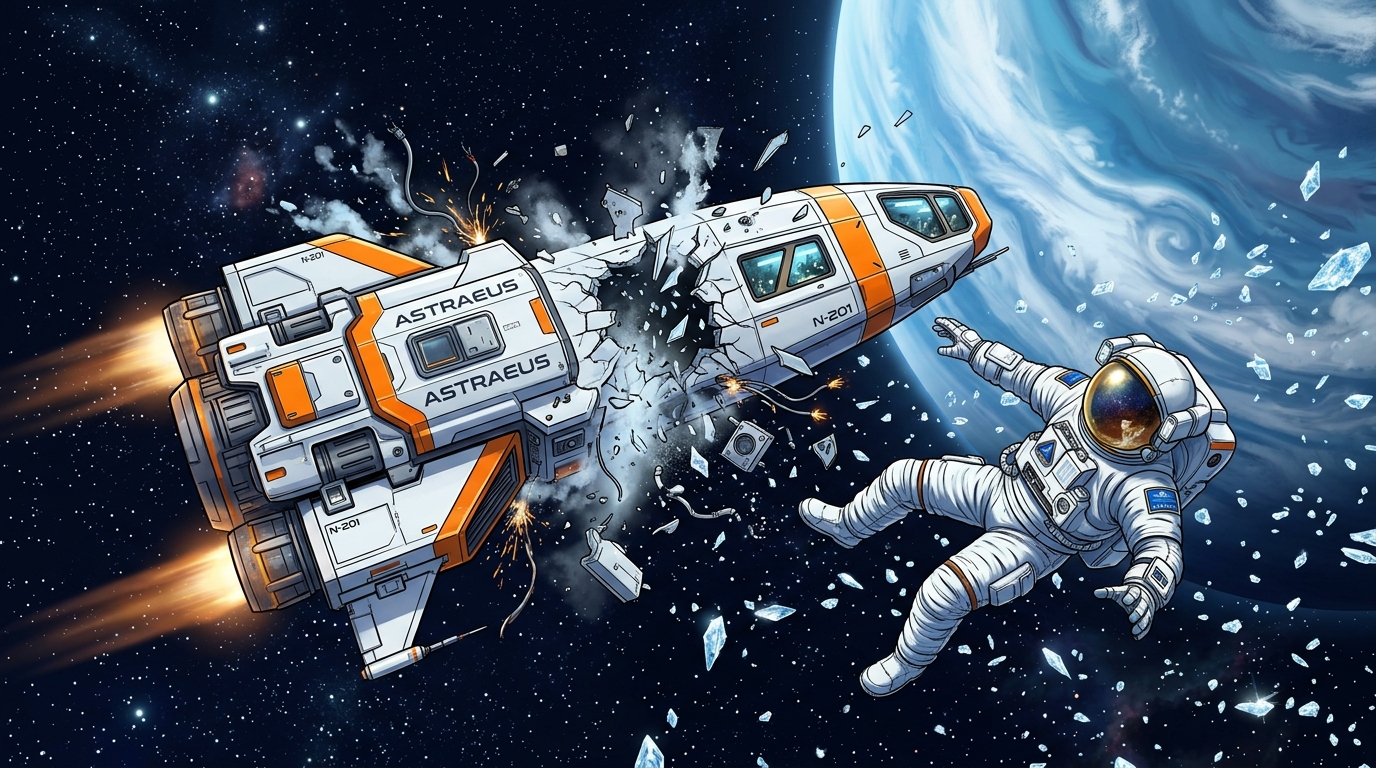
Hard science fiction is undergoing a massive shift as authors trade Hollywood explosions for the chilling reality of the cosmic void. You might be used to hearing the roar of engines in movies, but modern books are embracing the fact that sound cannot travel through a vacuum. This silence adds a layer of tension that makes every mechanical failure or hull breach feel much more dangerous and immediate. By sticking to the actual physics of space, writers are creating stories that feel grounded and terrifyingly real.
This push for realism is perfectly timed with our own recent leaps into deep space exploration. With the success of the Artemis II mission and the rise of private space stations, we are finally seeing what it actually takes to keep humans alive beyond our atmosphere. Authors are taking notes from these real world developments to describe the gritty details of life support and radiation shielding. When you read a story that respects these rules, the stakes feel higher because you know the characters are fighting against the same laws of nature our own astronauts face.
If you love the thrill of discovering new worlds, you will find that these realistic details make the adventure even more rewarding. Seeing how different books handle the physics of traveling between stars allows you to appreciate the cleverness of the characters and the vastness of the setting. These stories prove that you do not need flashy sound effects to create an epic experience. Best of all, many of these groundbreaking hard science fiction novels are often available through limited time deals, making it easier than ever to find an authentic version of the future.
The Artemis II mission has officially brought the high stakes physics of hard science fiction into our daily news. When you read books like Apollo 8 or even fictional survival tales like The Martian, the dangers of radiation and life support always feel like distant hurdles. Now that four astronauts have successfully completed a lunar flyby, those technical challenges are no longer just plot points for authors to solve. We are seeing real life systems handle the deep space environment just as meticulously as the engineers in a Kim Stanley Robinson novel. This leap forward proves that the gap between a writer's imagination and actual lunar exploration is closing faster than ever before.
As the era of the International Space Station winds down, private companies are stepping up to build the first commercial outposts in orbit. These new stations, such as the Haven 1 module, look like they were pulled straight from the sleek pages of a contemporary space thriller. You can finally see the transition from government funded research to a bustling orbital economy where people might actually live and work. This shift mirrors the industrial settings found in many of your favorite sci-fi series, where space travel is a routine part of human life. It is an incredible time to be a reader because the hardware we see on the launchpad is finally matching the ambition of our favorite stories.
While you are watching these historic milestones unfold, it is the perfect moment to stock up on books that explore the gritty reality of life among the stars. Many digital book deals right now focus on hard science fiction that prioritizes realistic physics and believable technology. Whether you prefer stories about colonization or the technical hurdles of asteroid mining, these limited time offers let you explore new worlds without breaking your budget. There is a special kind of joy in reading a detailed scene about orbital mechanics while knowing that real astronauts are performing similar maneuvers in space. Grabbing these stories today allows you to experience the future of humanity through the eyes of brilliant storytellers who predicted exactly where we are headed.
The magic of hard science fiction lies in how it turns the impossible into something that feels within your reach. When an author takes the time to get the physics of a starship right, like the spinning habitats in James S.A. Corey’s The Expanse, the story stops being a dream and starts feeling like a blueprint. These realistic details do not take away from the wonder of the stars, but instead, they ground the adventure in a way that makes the stakes feel much higher. You can truly imagine yourself strapped into a seat, feeling the g-force of a burn or the silence of a long coast through the void. This connection between our current reality and a fictional future is what makes reading these books such a rewarding experience for any fan of the genre.
We are living in an incredible era where the line between our favorite novels and the evening news is thinner than ever before. With the success of the Artemis II mission and the rise of commercial space stations, the technical hurdles described in hard sci-fi are being solved in real time. Seeing modern astronauts navigate the same radiation risks and life-support challenges found in books like Andy Weir’s Artemis makes those stories feel incredibly urgent and exciting. It is a thrill to realize that the technology we read about on the page is finally catching up to the visions of our most imaginative writers. This blend of science fact and fiction reminds us that the journey to the stars is a goal we are actively achieving together.
As you look for your next great read, remember that these grounded details are what make a fictional universe truly come alive. Whether you are hunting for a lunar colony books or a new hard sci-fi thriller, the best stories are the ones that make you believe the journey is possible. There is a special kind of joy in finding a book that respects the laws of physics while still delivering a sense of breathtaking discovery. Every realistic detail is an invitation to dream about what comes next for humanity among the planets. Keep exploring these incredible worlds, because the future of space travel is just as exciting as any story we can imagine.
Space travel realism is a way of looking at the stars that follows the actual rules of physics. It focuses on how we really get to space using tools like reusable rockets and constant acceleration instead of using make-believe technology.
In these stories, you will see ships designed like tall towers where the floor is toward the engine. When the ship moves forward quickly, it creates a force that feels just like gravity for the people inside. This makes the setting feel much more authentic and dangerous.
Not at all. You can enjoy these books because they turn complex physics into exciting puzzles that characters have to solve to survive. Authors like Andy Weir make these concepts easy to grasp while keeping the adventure front and center.
Yes, we are entering a very exciting time where private space stations and crewed missions are becoming a reality. Because technology is getting more affordable, the idea of working among the stars is moving from the pages of a novel into our daily lives.
You should check out The Expanse by James S.A. Corey or Project Hail Mary by Andy Weir for great examples. These stories show you how much fun it is to explore the galaxy when the characters have to deal with real-world challenges.
Reaching the stars is becoming much more affordable thanks to the development of reusable rockets. This breakthrough is opening the doors for more people than ever to participate in the next great era of lunar and orbital exploration.