
You used to have to pick up a science fiction novel to find strange, impossible worlds, but lately, our own backyard is putting those stories to shame. Thanks to powerful new telescopes, we are uncovering solar system mysteries that defy everything we thought we knew about space. From hidden oceans to tiny rocks that shouldn't have air, the line between reality and a space fantasy adventure is blurring faster than ever.
Take the tiny world known as 2002 XV93, a small icy rock sitting far beyond Neptune that is currently shocking the scientific community. Despite being way too small to hold onto an atmosphere, it somehow has one, suggesting that ice volcanoes might be erupting on its surface right now. It feels like a plot point straight out of a high-stakes galactic thriller, proving that the most exciting stories aren't just found in books, they are happening right above your head.
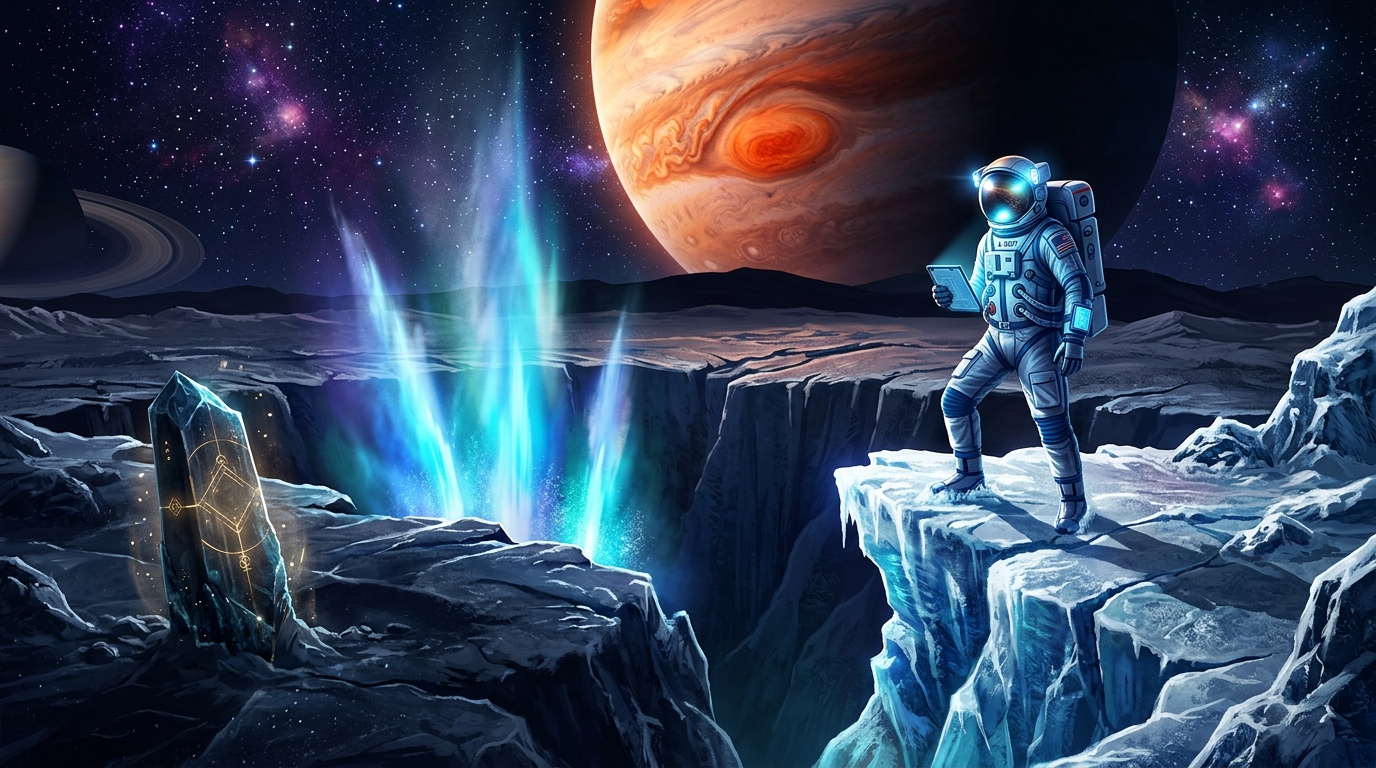
Imagine standing on the surface of a tiny rock at the very edge of our solar system where the sun is just a bright star in the distance. This is the world of 2002 XV93, a small object that is breaking all the rules of science we once held dear. Even though it is less than a quarter the size of Pluto, it somehow manages to keep a thin layer of gas wrapped around its frozen surface. Usually, a world this small has gravity so weak that any air would simply drift away into the vacuum of space. You are looking at a cosmic rebel that refuses to let go of its identity despite the odds.
Scientists are buzzing with excitement because this discovery means our local neighborhood is far more active than we ever imagined. One leading theory suggests that hidden ice volcanoes are erupting from deep within the rock, constantly pumping fresh gases into the sky to replace what is lost. Another possibility is that a recent crash with a wandering comet left behind a temporary shroud of vapor. This mystery feels like something straight out of a hard science fiction novel, reminding us that even the smallest corners of the Belt hold massive secrets. It is the perfect time to grab a book about deep space explorers and explore these strange new frontiers.
The best part about these real life discoveries is how they fuel our imagination for the stories we love to read. When you see a tiny rock defying gravity, it makes those tales of brave pioneers living on distant moons feel much more grounded in reality. These breakthroughs prove that the boundaries of our solar system are still waiting to be pushed by curious minds like yours. Whether it is through a telescope or the pages of a gripping space opera, there has never been a better moment to explore the unknown. Keep an eye out for our latest book deals so you can journey to these impossible worlds from the comfort of your favorite reading chair.
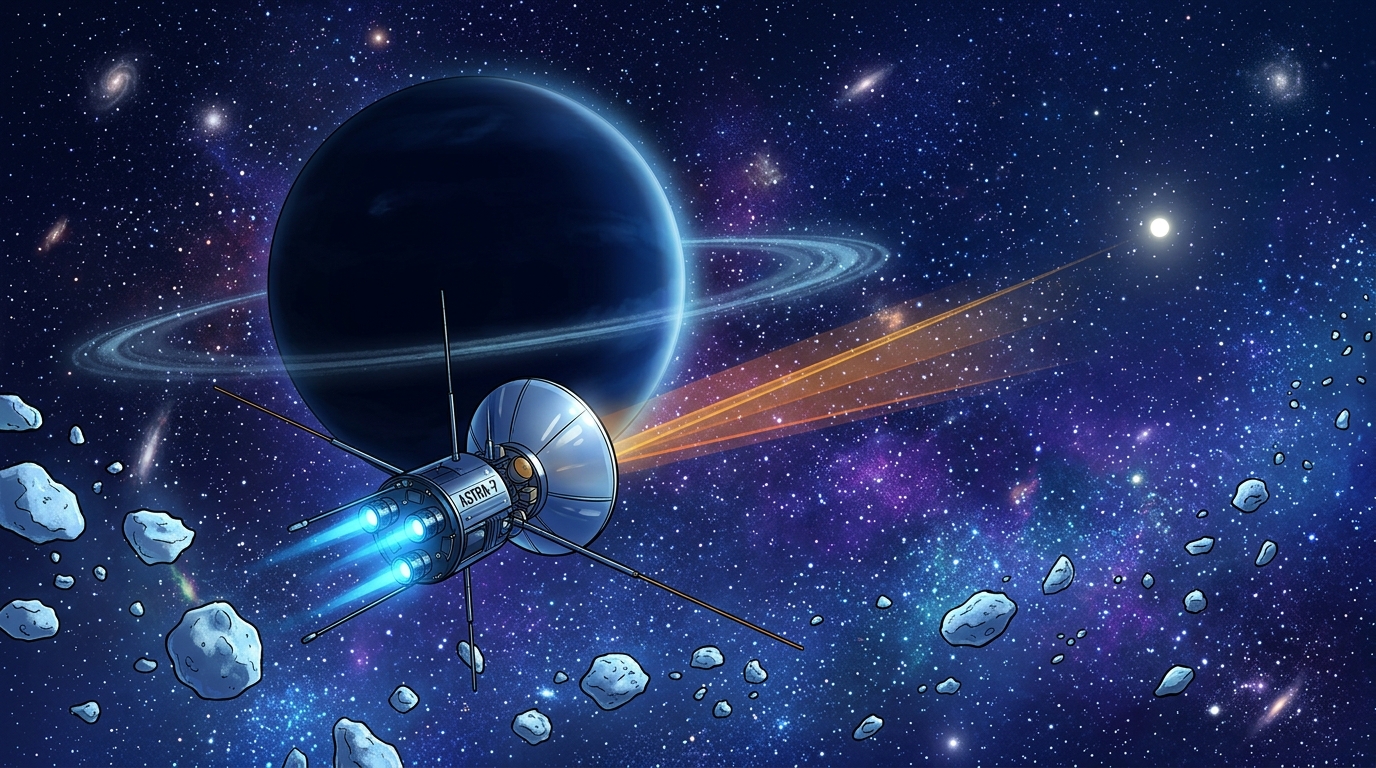
Imagine a massive world hiding in the dark reaches of space, twenty times further away than Neptune but still part of our own solar system family. Scientists have been tracking strange gravitational pulls that suggest a giant planet, often called Planet Nine, is lurking just out of sight. This mystery feels like it was pulled straight from the pages of a hard science fiction novel, where explorers venture into the cold unknown of the outer rim. Recent data has reignited the hunt, giving us fresh clues about where this invisible monster might be hiding. It is an exciting time for anyone who loves stories about the Moon, Mars, or the gritty life of miners in the asteroid belt.
Finding this hidden giant would change everything we know about our cosmic neighborhood and the history of how planets form. If you enjoy reading books like The Expanse or Andy Weir's Artemis, you know how thrilling it is to explore the realistic boundaries of our solar system. This real life search offers that same sense of wonder, as we realize there may still be an entire world left to discover right in our backyard. While we wait for the first photos of this distant giant, you can enjoy incredible sci-fi adventures that imagine what life is like on the edge of the sun's reach. There are so many great deals on series that bring these cold, distant locations to life for your next reading session.
The recent discovery of an atmosphere on the tiny object 2002 XV93 shows that the outer solar system is far more active than we ever imagined. Even small rocks at the edge of our system are defying the rules of physics, suggesting that cryovolcanism or icy eruptions are keeping these worlds alive. This kind of grounded, scientific mystery is exactly what makes local planetary sci-fi so gripping and relatable. You do not need to travel to another galaxy to find strange new worlds when our own neighborhood is still full of secrets. Keeping up with these discoveries is a great way to fuel your imagination and find inspiration for your next favorite book series.
Imagine standing on the surface of a distant moon where the ground beneath your feet isn't made of rock, but of ancient, frozen water. Instead of glowing lava, these alien volcanoes erupt with a chilling slurry of ice, methane, and ammonia that crystallizes instantly in the thin atmosphere. You might recognize this haunting landscape from hard sci-fi favorites like The Expanse, where the rugged moons of the outer solar system become the new frontier for humanity. These real-world geological wonders provide the perfect, grounded setting for stories about miners and explorers braving the cold. It is thrilling to realize that the ice palaces of fiction are actually scattered throughout our own backyard.
Recent discoveries have shown us that even tiny worlds can hide massive secrets beneath their crusts. For example, the small object 2002 XV93 was recently found to have an atmosphere that should not exist, likely fueled by active ice volcanoes. This means the Belt is far more alive than we ever imagined, offering endless inspiration for authors who love high-stakes realism. When you read a series set on Enceladus or Ceres, you are exploring a world where science and imagination meet in the middle. These icy eruptions are not just beautiful to look at, they are the heartbeat of worlds that were once thought to be dead and frozen.
The best part about following these cosmic mysteries is how they make our favorite books feel even more authentic. Whether you are rooting for a crew of scavengers in a gritty space opera or following a scientist on a lonely outpost, cryovolcanism adds a layer of believable danger to the plot. We are currently living through a golden age of discovery where telescopes are proving that the solar system is full of active, shifting environments. Keeping up with these breakthroughs helps you appreciate the incredible detail that goes into building your favorite sci-fi universes. It is a fantastic time to be a reader and a space enthusiast as we watch the line between fact and fiction blur.
Our local planetary neighborhood is far more mysterious than we once thought, and recent discoveries are proving that truth is often stranger than fiction. Scientists have just found that tiny objects at the very edge of our solar system, like the small world known as 2002 XV93, are holding onto atmospheres they logically should not have. These real-life puzzles suggest active ice volcanoes or hidden geological energy are pulsing through the cold dark of deep space. When you pick up a hard-science novel set in the Belt or on the moons of Saturn, you are stepping into a playground built on these exact types of cosmic surprises. These stories take the latest data from our telescopes and turn them into high-stakes adventures that feel incredibly grounded and real.
Now is the perfect time to explore these vast settings by taking advantage of limited-time deals on some of the best sci-fi series available for your e-reader. You can enjoy stories that imagine a future where humanity lives among the craters of the Moon or inside the hollowed-out asteroids of the Belt. These books use the science of space travel to create tension, making every oxygen leak or orbital maneuver feel like a life-or-death moment. Whether you are a longtime fan of grounded space operas or a curious newcomer, these discounts make it easy to start a new series without breaking the bank. You will find that the closer a story stays to the facts of our local planets, the more immersive and exciting the journey becomes.
The solar system is proving to be more mysterious and exciting than any movie, offering endless inspiration for readers and dreamers alike. Recent findings like the thin atmosphere on the tiny object 2002 XV93 show us that our local neighborhood still holds secrets that defy common scientific rules. These real world discoveries provide the perfect foundation for hard science fiction stories set on the Moon, Mars, or the rocky outposts of the Belt. When you read books like The Expanse series or Andy Weir's Artemis, you are exploring the stars through a version of our future that feels more possible with every new telescope image.
Keeping your eyes on the stars and your hands on a great book is the best way to stay connected to these celestial wonders. Authors are constantly finding ways to weave new data about cryovolcanism and planetary formation into thrilling adventures that bring the vacuum of space to life. You can explore these expansive universes and experience the grit of life on a space station without ever leaving your favorite reading chair. There has never been a better time to stock up on these stories, especially with limited time deals that make it easy to start a new series.
As we continue to uncover the secrets of our celestial home, let these scientific breakthroughs fuel your imagination for your next great read. Whether it is a story about a lonely base on a distant moon or a high stakes political drama across the inner planets, the solar system is a playground for the bold. These books help us make sense of the vastness of space while celebrating the human spirit of exploration. Make sure to grab your next sci-fi adventure today and join the journey into the great unknown.
This tiny rock is a total rebel because it has an atmosphere that should not exist. It is much smaller than Pluto and lacks the gravity to hold onto air, yet it manages to keep a thin layer of gas around it. This discovery is changing everything you know about how small worlds behave at the edge of our solar system.
The most exciting theory is that hidden ice volcanoes are erupting deep inside the rock and pumping fresh gas into the sky. Another possibility is that a recent crash with a comet left a temporary cloud of vapor behind. Either way, it shows that our space backyard is much more active and alive than science fiction often portrays.
Absolutely, because these real world discoveries often feel like plot points from a high stakes galactic thriller. Finding hidden oceans and impossible atmospheres on tiny rocks blurs the line between reality and the stories you love. It is the perfect time to explore a new space adventure book while these real mysteries unfold.
These findings prove that our solar system is full of surprises that defy traditional science. Every time a telescope finds something like an ice volcano, it opens up new possibilities for where life or adventure might be hiding. It turns our local neighborhood into a setting as mysterious as any fantasy world you have ever explored.
Yes, and powerful new telescopes are finding them faster than ever before. You are living in a golden age of discovery where the tiny rocks sitting beyond Neptune are finally telling their stories. It is a great reminder that the most amazing tales are not just in books, they are happening right above your head.
You can explore our curated collections of science fiction and fantasy novels to see how authors imagine these strange settings. We often feature limited time deals on epic space adventures that go beyond the stars to see how they are perfect for any curious reader. Keeping up with these deals is a great way to fuel your love for cosmic mysteries without breaking the bank.