
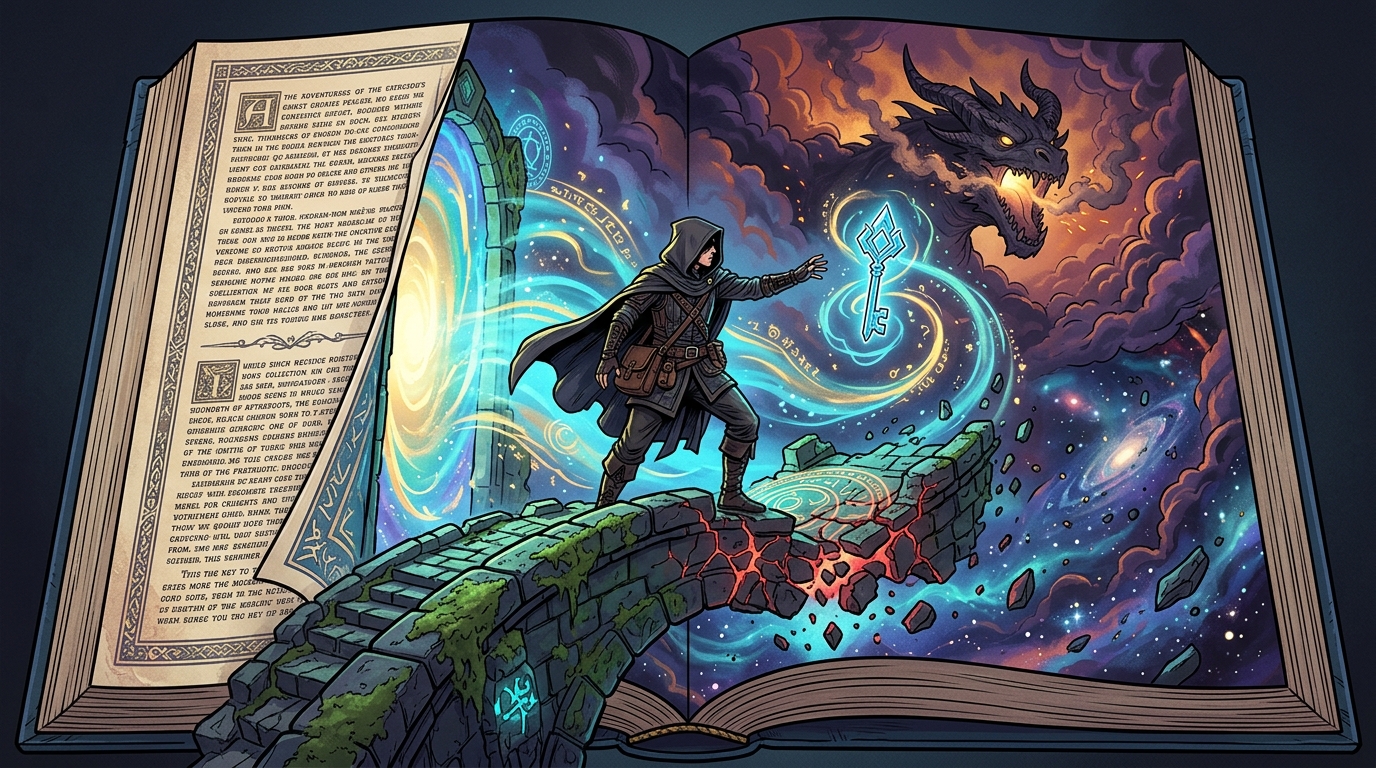
The right chapter-opening techniques can pull you into a story before you understand what is happening. A strong opening quickly grounds you in the world, gives you a reason to keep reading, and hints at what may change. Whether you are entering the political danger of Dune or the strange wonder of A Wrinkle in Time, the best openings make discovery feel immediate.
There is no single formula, and “start with action” is not always the answer. Look for the moment when pressure begins: a difficult choice, a surprising claim, a threat, or a problem that demands attention. These clues can help you judge a new fantasy or science fiction book, especially when a limited-time deal makes it easier to try something unfamiliar.
You can orient readers quickly by anchoring them in one clear detail, then adding pressure that gives the detail meaning. Name the place, time, or viewpoint through a character who wants something, faces a threat, or notices something strange. In The Hobbit, the cozy description of Bag End becomes more engaging because Bilbo’s quiet life is about to be interrupted by an unexpected adventure. In The Fifth Season, the damaged world and second-person viewpoint create immediate questions about who is speaking and what has happened. You do not need to explain the whole world at once, especially in fantasy and science fiction.
Try opening when the chapter’s main problem becomes active. You might show a wizard hiding a dangerous secret, a space pilot receiving a troubling message, or a scholar discovering evidence that changes everything. Let the setting emerge through action, choice, or discovery, so readers learn where they are while wondering what will happen next. A strong opening also hints at the chapter’s purpose, such as a test, escape, revelation, or difficult decision. When orientation and pressure work together, you give readers both a firm place to stand and a reason to keep turning pages.
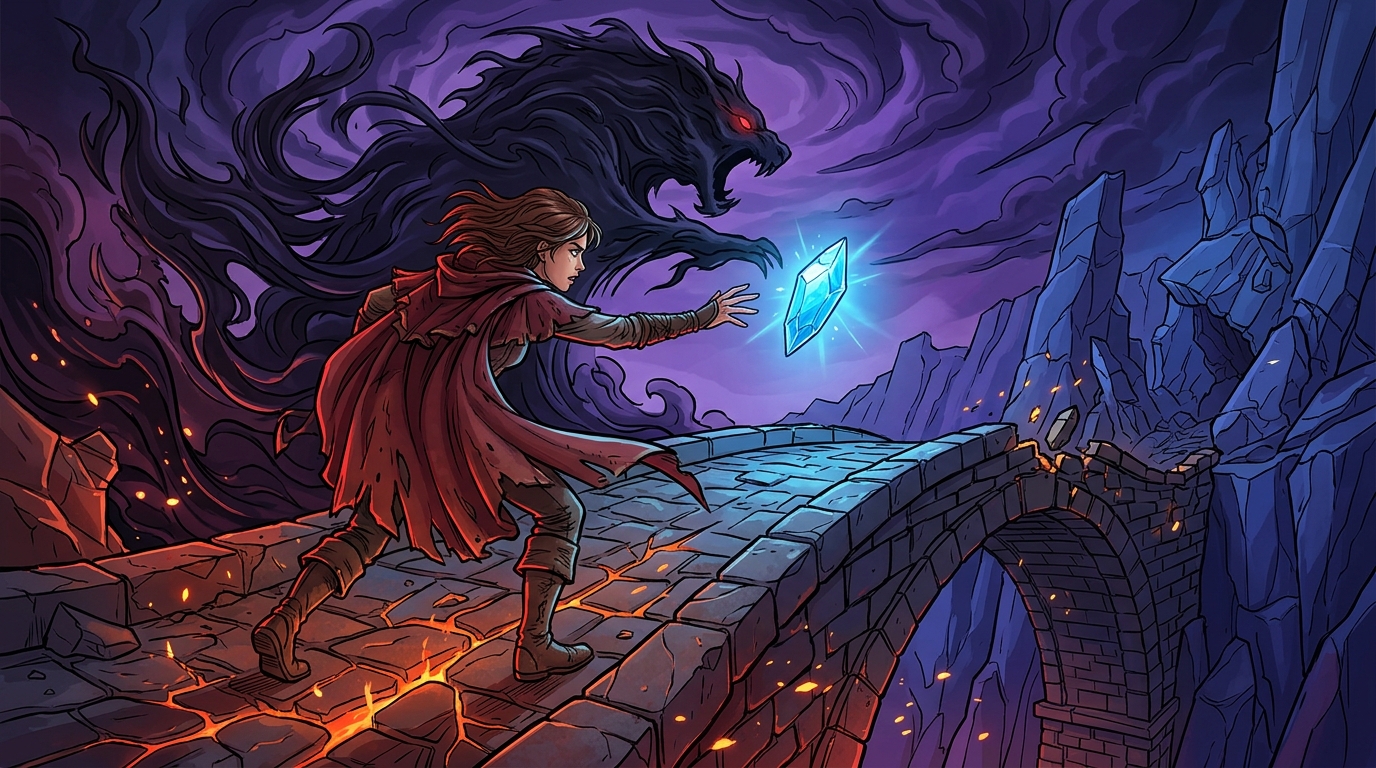
Begin with pressure already in motion, whether it comes from danger, an argument, or a difficult choice. In medias res means starting in the middle of an event, such as a chase, battle, or discovery, and giving readers the setting and backstory as the story moves forward. Charged dialogue can create the same pull when two characters want different things, while sudden danger makes the next step feel urgent. In The Hunger Games, the opening quickly establishes Katniss’s fear, responsibility, and dangerous world through her actions and thoughts. Each approach creates a question that keeps you reading, but the strongest version also hints at what the chapter will test.
A strong desire can open a chapter as effectively as a fight or threat. Your character might want to escape a city, win an ally, uncover a secret, or reach a forbidden place. That goal gives every choice a clear direction. In The Hobbit, Bilbo’s quiet life is challenged by the arrival of adventure, showing that change can create forward motion even before danger appears. As you choose an opening, make sure readers can quickly sense where they are, whose point of view they are following, and what has become harder to ignore. The chapter should make you wonder what happens next while showing what it is truly about.
You can reveal an unfamiliar world through one precise detail instead of a page of history. In Dune, the danger of wasting water shapes clothing, manners, and daily life, so you learn about Arrakis through what characters do and fear. Try opening with a sensory detail, such as metal air that tastes of storms, sand moving beneath a doorway, or a moon that shines green at noon. These small clues give you a clear place to imagine while raising questions you want answered.
Unusual rules become more exciting when a character reacts to them. If nobody speaks after sunset, show your viewpoint character stopping mid-sentence as the light fades instead of explaining the rule in full. In The Fifth Season, strange environmental events and social tensions appear through characters who know how to survive them, which makes the world feel lived in. Your character’s confusion, caution, or impatience can guide readers through unfamiliar customs without turning the opening into a history lesson.
Focused action can introduce both the world and the chapter’s immediate purpose. Let a character repair a failing starship, bargain for a forbidden spell, or hide from a creature that recognizes their name. Reveal only the details that affect that moment. Each choice can show a rule, danger, or piece of culture while creating a reason to keep reading. As the chapter continues, you can widen the view, but begin with pressure that makes discovery feel urgent.
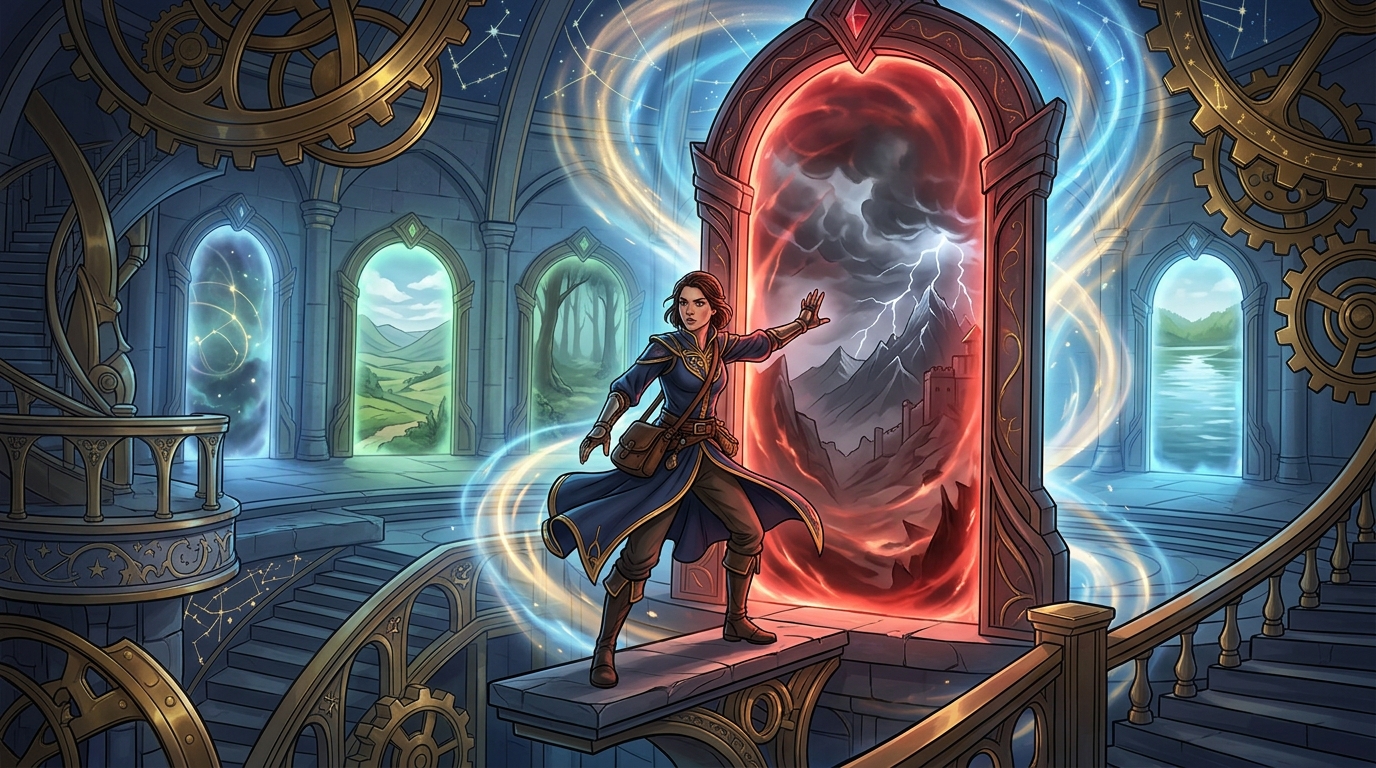
Choose your opening technique based on the chapter’s purpose. If you are introducing a mystery, begin with a question, strange detail, or unanswered problem that makes you curious. For a confrontation, enter when the pressure is already active, as you see in many tense scenes in Dune. If a relationship is about to change, open with a choice, confession, or moment of distance. A surprising idea may work best when you lead with a clear claim or vivid image. A discovery chapter can start with the clue, result, or warning that changes what your character or reader believes, much like the unexpected disruption that drives The Hobbit forward.
Your first draft does not need to use the flashiest technique, but it should quickly show why the chapter matters. Read the opening again and test it with this simple checklist:
If an opening feels slow, do not automatically add action or raise the stakes. Instead, move closer to the moment when the chapter’s central pressure begins, whether that is a difficult decision, a new clue, or an idea that challenges what you thought you knew. When the opening matches the chapter’s purpose, you can explore a new world with confidence while giving readers a clear reason to keep turning pages.
Strong chapter openings do more than create mystery or throw you into nonstop action. They help you understand where you are, when the scene takes place, and whose experience you are following. They also give you a reason to keep reading. That reason might be a dangerous choice, a clear goal, an unexpected problem, or a discovery that changes what the character thought was true. The best openings also hint at what the chapter will explore, whether that means surviving a threat, learning a rule of magic, or facing a difficult decision.
You can study these techniques in books you already love, such as the quiet discovery and rising danger in The Hobbit or the layered world and urgent conflict of Dune. Notice how each opening balances useful details with forward pressure instead of hiding everything or explaining too much at once. Then use those observations when choosing your next fantasy or science fiction read, especially when a limited-time deal makes it easier to try an unfamiliar world. A strong first chapter can help you find a book that offers both the excitement of discovery and a story that knows where it wants to take you.